FAMILY CARE, WITH A WORLD OF POSSIBILITY
Science

Research you can read.
Evidence you can put in context.

Explore published screening research, the rationale for structured VR practice, and the status of rehabilitation studies. Screening performance, training outcomes and regulatory records answer different questions.

Research supports informed questions, not guaranteed outcomes. Independent studies are not LumiBrain-specific validation. Assessment modules, home training, certificates and patents have different purposes and scopes.

VECA / 2024

Published research with YIWEI-affiliated authors

npj Digital Medicine · 2024 · n=201

A portable and efficient dementia screening tool using eye tracking machine learning and virtual reality

A 2024 study evaluated VR Eye-tracking Cognitive Assessment (VECA) in 201 participants in Shenzhen. A machine-learning model predicted MoCA scores from gaze-based tasks. The reported correlation was r=0.90; sensitivity was 88.5% and specificity 83% for the study’s cognitive-impairment classification.

Read the study ↗
201participants
r=0.90MoCA correlation
88.5%Sensitivity
83%Specificity

r=0.90 is a correlation coefficient—not “90% diagnostic accuracy.” This was an adult screening study, not a trial of home rehabilitation or LumiBrain, and external validation is still needed.

BMC Public Health · 2024 · n=823

Community screening for dementia among older adults in China: a machine learning-based strategy

A 2024 Shenzhen community study used 823 older-adult records to develop machine-learning screening models from accessible health and AD8-related information. It supports the company’s broader screening research context; it did not test a VR headset or rehabilitation treatment.

Read the study ↗

Independent research behind the approach

Scientific Reports · 2019

Novel Method for Rapid Assessment of Cognitive Impairment Using High-Performance Eye-Tracking Technology

Oyama and colleagues examined rapid eye-tracking cognitive assessment in 2019. This is foundational work on gaze-based cognitive measurement, rather than a QuickMind product trial.

Read the study ↗
JMIR Serious Games · 2024 · n=90

Empowering Social Growth Through Virtual Reality–Based Intervention for Children With Attention-Deficit/Hyperactivity Disorder: 3-Arm Randomized Controlled Trial

A three-arm trial in 90 children with ADHD compared VR social-skills training, traditional training and a waitlist. Some social-skill and parent-rated outcomes improved, while cooperation and inhibition did not differ significantly between groups. This was not a LumiBrain trial.

Read the study ↗
Journal of Medical Internet Research · 2023 · n=78

Effects of a Nonwearable Digital Therapeutic Intervention on Preschoolers With Autism Spectrum Disorder in China: Open-Label Randomized Controlled Trial

An open-label trial in 78 preschool children with ASD studied a nonwearable VR-CBT programme added to an existing intervention. Some behavioural and sensory outcomes improved; the language subscale did not show a significant effect. Its nonwearable technology and population differ from LumiBrain.

Read the study ↗
RESEARCH STATUS

Rehabilitation research: what is still being evaluated

Company materials describe ongoing VR rehabilitation work involving Shenzhen People’s Hospital and the Second Affiliated Hospital of Guangzhou Medical University, with MoCA follow-up. A full protocol, cohort description and peer-reviewed rehabilitation results were not supplied. We therefore do not present the brochure’s “≈20% improvement” as a verified home-use outcome or promise.

Sources: company About supplement (pp. 3–5, 19–21), QuickMind brochure and supplied product sheets. Published research is linked directly below.

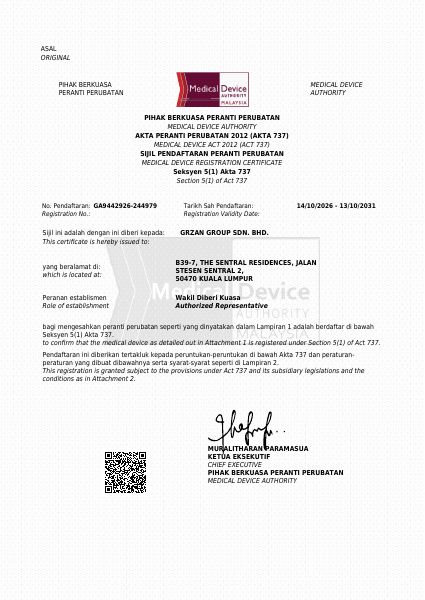
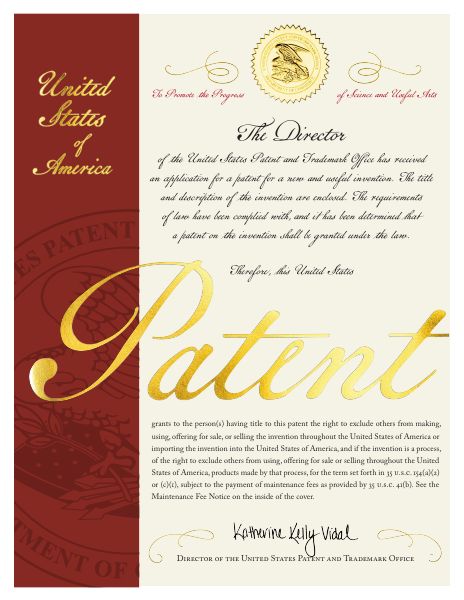
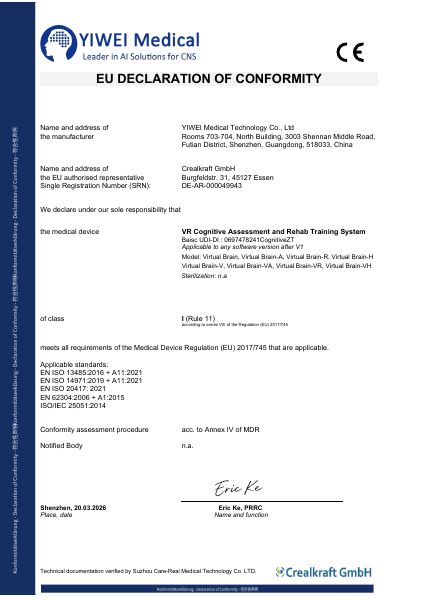
Regulatory & intellectual property documents

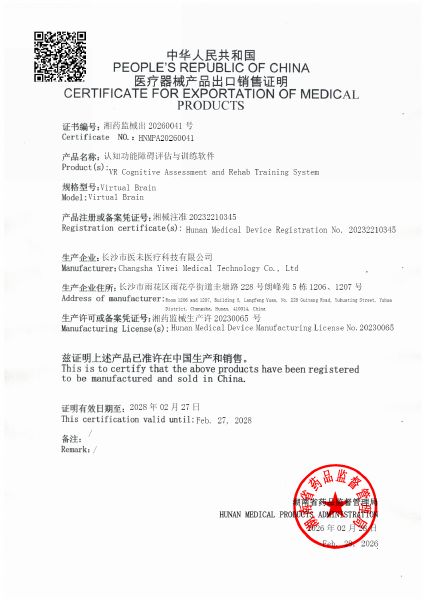
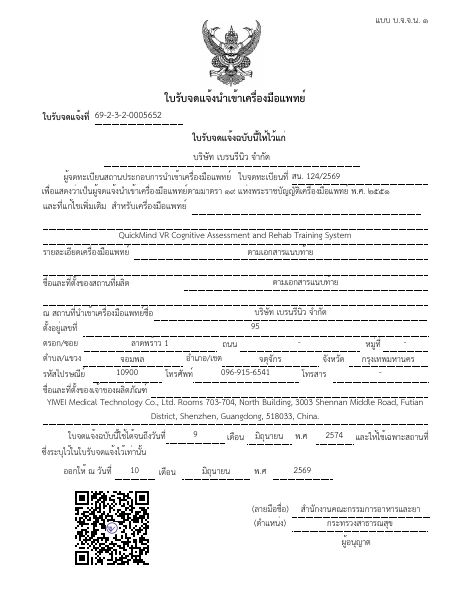
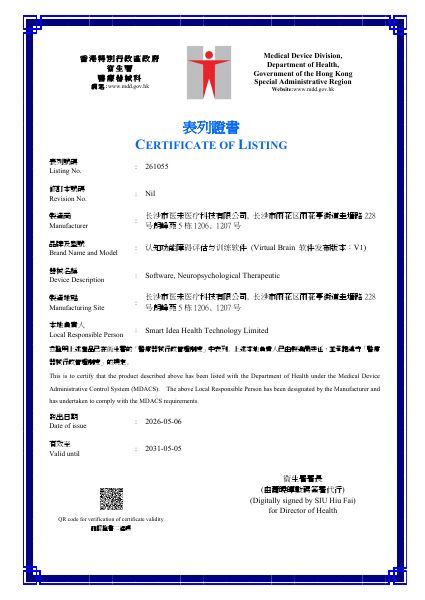
Patent protection, conformity declarations and regional listings each have a different scope; none is a promise of an individual outcome.

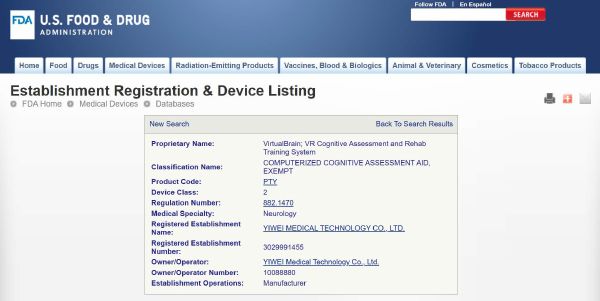
Documents refer to specific models and regions. The supplied U.S. record is an establishment registration and device listing, not evidence of 510(k) clearance. No LumiBrain-specific clearance is asserted here.

QUICKMIND & LUMIBRAIN

Let’s find your
next step, together.

Explore our products