




Beyond MoCA: Why Eye-Tracking Technology is the New Frontier in Early MCI
2025-12-16
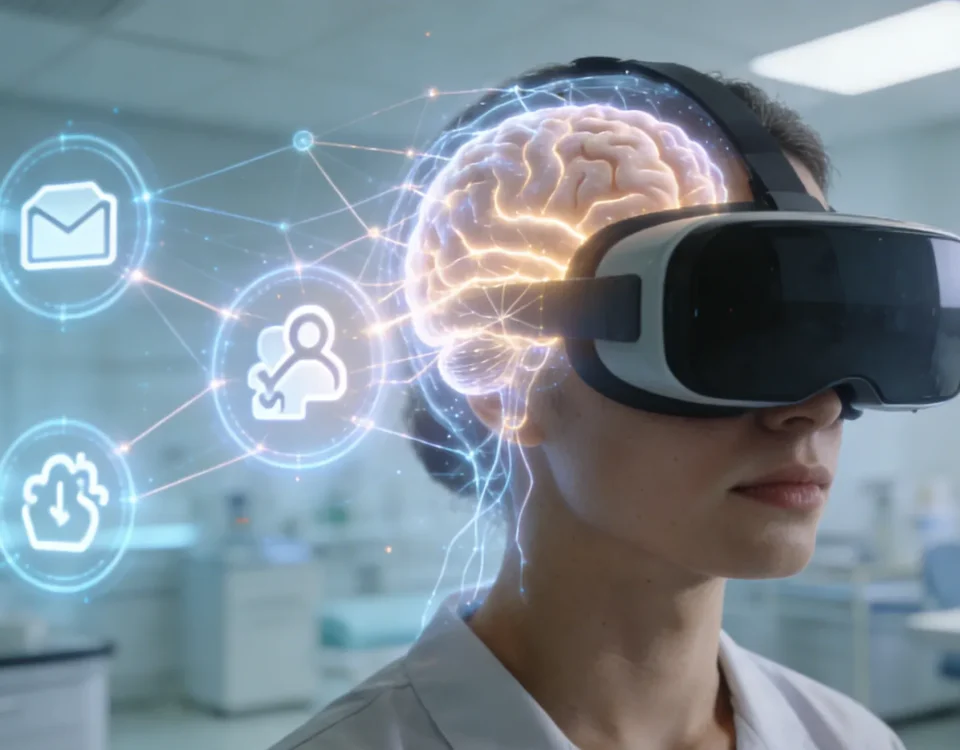
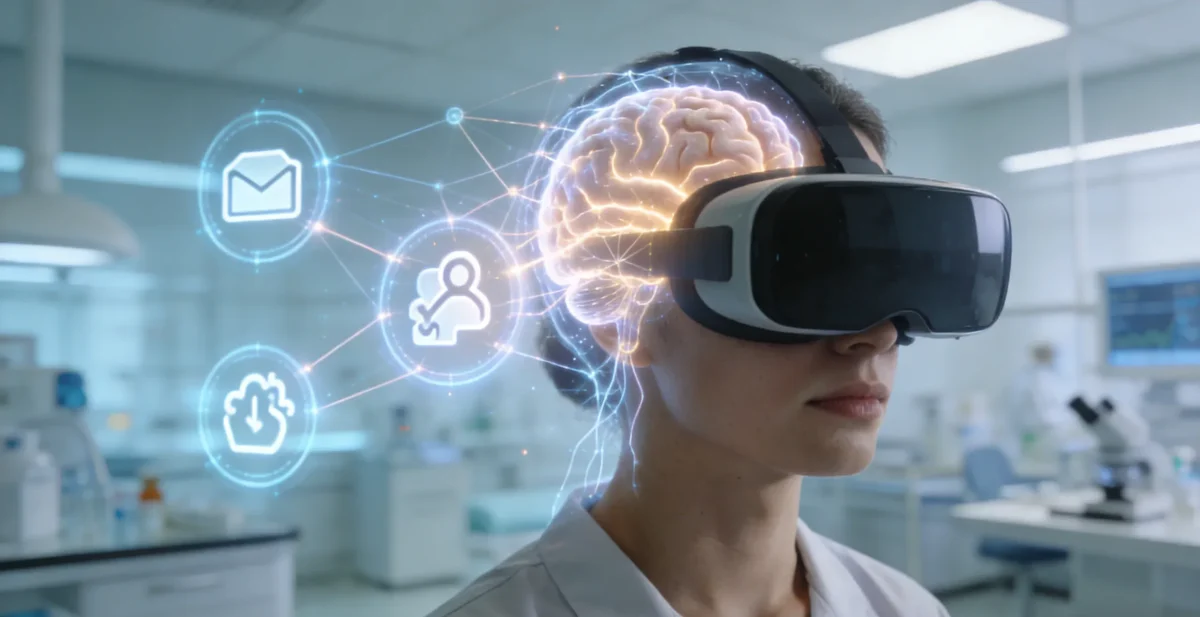
How VR cognitive training affects neuroplasticity
2026-01-04
Virtual reality (VR) is transforming how we approach brain wellness. It’s not just for gaming anymore. VR is now a tool for mental health and cognitive improvement.
Imagine immersing yourself in a serene virtual landscape. This is VR meditation, a new way to practice mindfulness. It offers a unique escape from daily stressors.
VR brain wellness is gaining traction. It’s a modern approach to mental health care. People are exploring its potential to enhance traditional therapies.
The benefits of VR for mental health are backed by research. Studies show it can help manage anxiety and depression. It’s a promising addition to wellness routines.
VR environments can simulate calming scenarios. These scenarios aid in mindfulness practices. They provide a safe space for relaxation and reflection.
Personalization is key in VR brain wellness. Programs can be tailored to individual needs. This customization enhances the effectiveness of VR therapy.
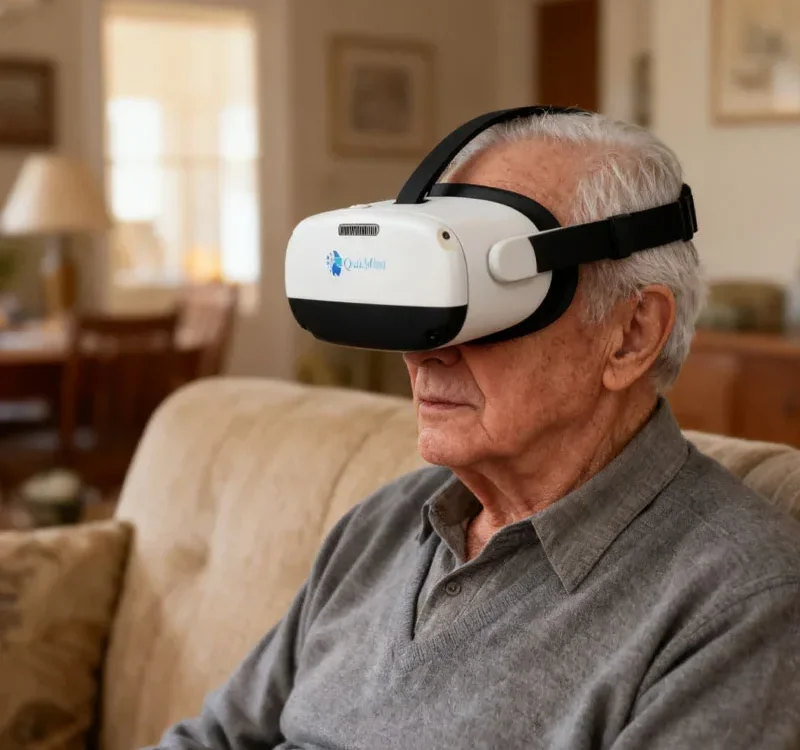
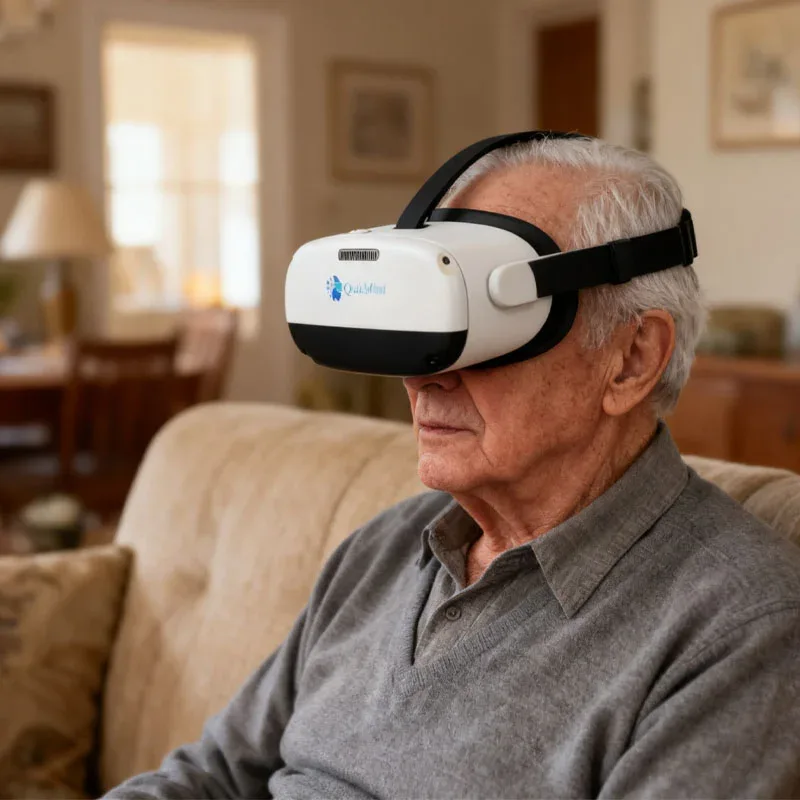
The accessibility of VR technology is a game-changer. It allows people to engage in brain wellness from home. This convenience is driving its popularity.
VR is also being used in cognitive training. It stimulates brain activity and supports neurorehabilitation. This makes it a versatile tool for brain health.
The immersive nature of VR enhances focus and concentration. It helps users achieve a deeper state of mindfulness. This can lead to improved emotional regulation.
As VR technology evolves, so do its applications in brain wellness. The future holds exciting possibilities. VR is set to revolutionize mental health care.
Understanding VR Brain Wellness: The Basics
VR brain wellness combines cutting-edge technology with mental health. It uses immersive environments to support brain health and cognitive function. This approach has opened new avenues for mental relaxation and therapy.
At its core, VR brain wellness utilizes virtual reality to engage the mind. Instead of relying solely on traditional methods, it incorporates immersive experiences. This results in a more interactive way to promote mental well-being.
One of the greatest advantages of VR is its flexibility. The technology can cater to a wide range of wellness activities. From meditation to cognitive exercises, the possibilities are extensive and varied.
Key components of VR brain wellness include:
- Immersive Environments: These are vividly rendered spaces that promote relaxation and mindfulness.
- Personalized Experiences: Users can adjust settings to fit their wellness needs.
- Interactive Features: These enhance engagement and improve therapeutic outcomes.
This approach is not just about novelty. VR brain wellness offers tangible benefits and is backed by ongoing research. Many studies highlight its role in reducing stress and anxiety. Users report feeling more relaxed after VR sessions.
Accessing VR wellness is easier than ever. Apps and software are available across various platforms. This makes integrating VR into daily routines a feasible option for many.
The future of VR in brain wellness looks promising. With continuous innovations, it holds the potential to redefine how we manage mental health. From personalized therapy to immersive meditation, VR is paving the way for a healthier mind.
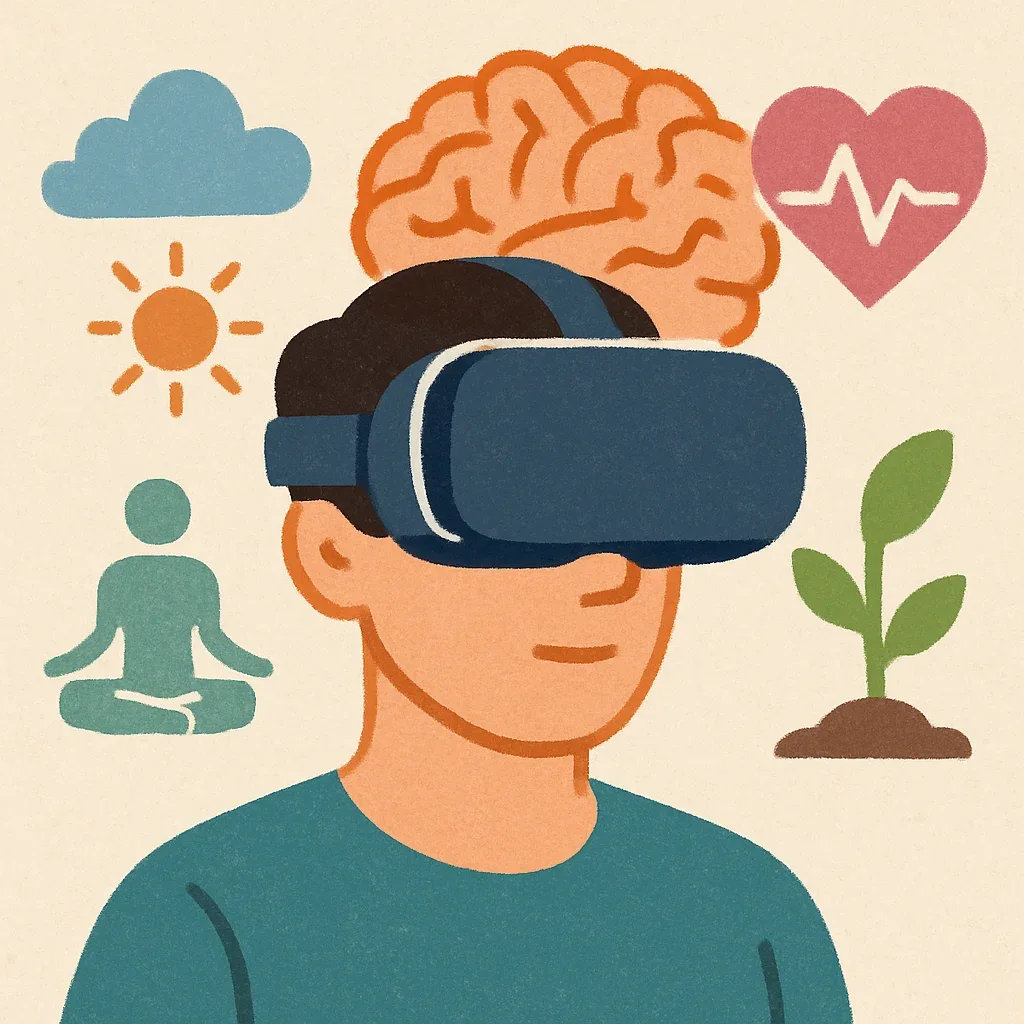
The Science Behind VR and Brain Health
The integration of VR into brain health is grounded in science. Researchers are exploring how immersive environments affect cognitive functions. VR’s potential in this area is significant and ever-expanding.
VR’s immersive nature provides a unique advantage. It can fully engage the brain’s sensory pathways. This engagement is crucial for stimulating cognitive processes and promoting brain health.
Studies have shown that VR environments can influence neural activity. By simulating real-world scenarios, VR can create lifelike experiences. This stimulation helps improve mental focus and cognitive flexibility.
Using VR for brain health involves several key scientific principles:
- Sensory Immersion: Engages multiple senses, enhancing the brain’s response.
- Neuroplasticity: Encourages the brain’s ability to adapt and reorganize.
- Cognitive Load Management: Balances mental demands to optimize brain function.
One remarkable aspect of VR is its impact on neuroplasticity. This is the brain’s ability to change and adapt. VR experiences can potentially accelerate neuroplastic changes, aiding in rehabilitation and learning.
Research also supports VR’s role in stress reduction. Immersive experiences can decrease cortisol levels. This creates a state of relaxation and mental clarity, improving overall cognitive health.
The science behind VR and brain health is still evolving. Continuous studies are necessary to fully understand its effects. Nevertheless, initial findings are promising, highlighting VR’s potential as a mental health tool.
As research progresses, more applications for VR in brain health will emerge. These may include cognitive rehabilitation, training, and therapy. With further advancements, VR could become a cornerstone of modern mental health practices.

How VR Meditation Transforms Mindfulness Practices
VR meditation offers a novel approach to mindfulness. By using immersive technology, it creates environments conducive to deep relaxation. Users can virtually escape their physical surroundings, enhancing focus and awareness.
Traditional mindfulness practices can be challenging. Distractions are everywhere, making it hard to maintain focus. VR meditation eliminates these distractions, providing a serene and controlled setting.
Imagine meditating on a tranquil beach or in a lush forest. VR can seamlessly transport you there. This vividness helps practitioners reach a deeper state of meditation more quickly.
The effectiveness of VR meditation lies in its ability to:
- Engage the Senses: Provides a multi-sensory experience, deepening awareness.
- Enhance Focus: Reduces external distractions, fostering concentration.
- Personalize Experiences: Tailors environments to suit individual needs and preferences.
The technology behind VR meditation also promotes mindfulness. Soundscapes and guided meditation features help guide users into a meditative state. This focus on audio and visual stimuli enriches the traditional practice.
For beginners, VR meditation can be particularly beneficial. The immersive guidance simplifies learning the basics. It can ease the transition into regular mindfulness practices.
Advanced practitioners also find value in VR meditation. It offers new challenges and experiences, encouraging growth. For example, VR can simulate complex scenarios, testing mindfulness under varied conditions.
Virtual reality enhances the overall meditation experience. It makes the practice more accessible and engaging. As a result, users are more likely to integrate meditation into their daily routines.
For those seeking to improve their mental wellness, VR meditation is a powerful tool. It provides a dynamic and adaptable approach to mindfulness. As technology evolves, VR meditation will continue to transform how we practice mindfulness.

VR for Mental Health: Applications and Benefits
Virtual reality is not just a tool for entertainment. It’s revolutionizing mental health treatment in unexpected ways. VR therapy provides innovative solutions for common mental health challenges.
One of the primary applications of VR in mental health is exposure therapy. This involves gradually exposing patients to their fears in a controlled setting. For example, someone afraid of heights can “stand” on a tall building without the real-world risk.
VR therapy also aids in stress and anxiety management. By simulating calming environments, users can practice relaxation techniques in a secure virtual space. This can significantly reduce anxiety symptoms over time.
Additionally, VR offers valuable support in cognitive behavioral therapy (CBT). It provides interactive scenarios that facilitate new ways of thinking. Patients can practice and reinforce positive behaviors in a dynamic environment.
Here are some key benefits of using VR in mental health:
- Safe Exposure: Offers a controlled, risk-free setting for facing fears.
- Accessible Therapy: Provides mental health support to those who may struggle to access traditional therapy.
- Immersive Experience: Engages users in meaningful and transformative experiences.
- Enhanced Engagement: Increases motivation and participation in therapy sessions.
The customizable nature of VR also means sessions can be tailored to individual needs. This allows for more personalized therapy plans. Users are more likely to engage with treatment if it addresses their specific challenges.
Studies have shown promising results for VR therapy. Research indicates it can improve emotional regulation and resilience. The immersive aspects of VR appear to boost the benefits of traditional therapeutic techniques.
Moreover, virtual reality can enhance traditional therapy sessions. It provides a fresh perspective on therapy, reigniting interest and commitment. This blend of technology and therapy is reshaping mental health treatment protocols.
Virtual retreats are another way VR supports mental health. These “getaways” offer relief from daily stressors, promoting relaxation. Users can experience restorative environments without leaving home.
The versatility of VR means its applications in mental health are ever-expanding. Whether for therapy, stress reduction, or relaxation, it provides numerous paths to improved mental well-being. The use of VR in mental health holds great promise for the future.
As this technology becomes more common, it makes mental health care more accessible and effective. Users find support in their homes, removing barriers to treatment. The VR revolution is here, offering a new horizon for mental wellness.

Personalizing Brain Wellness: Custom VR Experiences
Virtual reality offers unique opportunities for customizing brain wellness activities. This personalization enhances engagement and effectiveness. Users can enjoy tailored experiences that cater to their specific mental health goals.
Custom VR experiences begin with assessing individual needs. Users can identify particular areas such as stress relief, focus improvement, or anxiety reduction. VR platforms often incorporate initial assessments to better understand user preferences and requirements.
Once needs are identified, users can choose from a range of VR applications. These applications provide a variety of experiences, from guided meditations to interactive mindfulness exercises. These options ensure that users find the right fit for their wellness journey.
Customization also allows for the creation of personalized environments. Users can select specific settings that evoke calmness or concentration. Whether it’s a tranquil beach or a serene forest, these environments enhance the overall experience.
The ability to track progress is another benefit of custom VR experiences. Many VR applications offer features that monitor user engagement and improvement. This data helps users visualize their progress and adjust their routines accordingly.
Custom VR brain wellness experiences offer several advantages:
- Tailored Content: Programs and environments are adapted to individual preferences.
- Progress Monitoring: Track advancements and make informed adjustments.
- Variety of Choices: Access to a broad spectrum of applications and tools.
- Enhanced Motivation: Personalized experiences encourage consistent engagement.
Custom VR experiences encourage a more profound connection to the practice. When users feel their needs are being met, they are more likely to maintain a routine. This connection is vital for long-term mental wellness.
The adaptability of VR ensures that it evolves with the user. As new goals arise, VR programs can adjust, offering fresh challenges and experiences. This ongoing adaptability makes VR a lasting tool in brain wellness routines.
As technology progresses, the potential for personalization in VR will only grow. Customization will lead to more effective and enjoyable wellness experiences. VR’s ability to tailor experiences is a significant asset in the pursuit of mental well-being.

VR in Cognitive Training and Neurorehabilitation
Virtual reality is transforming cognitive training and neurorehabilitation. It provides immersive environments that engage the brain in new ways. This innovative approach is reshaping how we understand brain health recovery and enhancement.
VR aids cognitive training by creating interactive experiences. Users can engage in exercises that challenge memory, attention, and problem-solving. These activities stimulate brain function and promote cognitive flexibility.
Neurorehabilitation benefits greatly from VR technology. Patients recovering from brain injuries or strokes can use VR to simulate real-world tasks. This practice helps them relearn essential skills in a safe and controlled environment.
VR also supports physical and occupational therapy. It offers motivational and interactive sessions that encourage patients to participate actively. The immersive nature of VR can make repetitive tasks feel more engaging.
Another advantage of VR in neurorehabilitation is the ability to tailor programs. Therapy can be customized to meet the specific needs of each patient. This personalization maximizes the effectiveness of rehabilitation efforts.
Research supports the efficacy of VR in cognitive health. Studies show that VR can enhance neuroplasticity, helping the brain form new neural connections. This can result in significant improvements in cognitive function and recovery outcomes.
Key benefits of VR in cognitive training and neurorehabilitation include:
- Engagement: Interactive exercises that hold patients’ attention.
- Real-world Simulation: Safe practice of practical tasks.
- Personalization: Tailored therapy to suit individual needs.
- Motivation: Fun and immersive experiences that encourage participation.
Many healthcare facilities are incorporating VR into their therapy offerings. This integration is providing new and innovative treatment options. Patients report higher satisfaction and improved outcomes from VR-enhanced sessions.
As VR technology advances, its potential in neurorehabilitation will expand. Future developments may include more sophisticated simulations and enhanced tracking. These advances will further improve patient care and recovery.
VR is a promising tool in the field of brain health. Its applications in cognitive training and neurorehabilitation are paving the way for the future of healthcare. By engaging patients in meaningful ways, VR is making a lasting impact.

Overcoming Stress and Anxiety with VR
Modern life is stressful. Many people struggle to find effective ways to manage anxiety. Virtual reality offers new hope for stress relief and anxiety reduction.
VR helps create calming environments. Users can escape to serene beaches or peaceful forests. These virtual settings provide a mental break, offering tranquility and relaxation.
Immersive VR experiences can distract the mind from daily stressors. By focusing on the virtual world, users can momentarily forget about their worries. This break can be a powerful tool in managing anxiety levels.
VR meditation apps provide guided relaxation sessions. These apps often include features like breathing exercises and soothing soundscapes. They aid users in achieving a relaxed mental state, which is crucial in stress management.
Another benefit is the customizable nature of VR programs. Users can select environments and activities that best suit their preferences. Personalized experiences enhance the effectiveness of stress reduction techniques.
Scientific studies support VR’s role in anxiety management. Research shows that using VR for relaxation can significantly lower stress and anxiety levels. The technology’s ability to provide a distraction-free environment promotes mindfulness and relaxation.
Key advantages of VR for stress and anxiety management include:
- Virtual Escapes: Access to calming environments on demand.
- Guided Relaxation: Assistance with meditation and breathing exercises.
- Personalization: Customizable experiences tailored to individual needs.
- Distraction-Free: Encourages focus and present-moment awareness.
VR’s use in stress management is growing. More people are exploring this technology to improve their mental well-being. Early adopters report increased calmness and reduced anxiety from regular VR sessions.
The future of VR in anxiety management is promising. As technology evolves, new applications will emerge. These advancements will continue to provide innovative solutions for stress relief.
Virtual reality is a powerful tool for finding peace in our hectic lives. By integrating VR into wellness routines, users can cultivate a healthier mindset.

Integrating VR into Daily Wellness Routines
Including virtual reality in your everyday wellness routine offers many benefits. VR can easily become a part of daily practices, enhancing mental and emotional well-being.
Starting with short VR sessions is advisable. Beginners can explore five to ten-minute sessions to get comfortable. Gradually increasing the duration can further deepen the experience.
Incorporating VR can transform simple acts into immersive wellness practices. Virtual walks through tranquil forests or calming beaches bring a fresh perspective to routine relaxation.
VR apps often combine features like guided meditations, breathing exercises, and relaxing soundscapes. Daily use can help cultivate a balanced mental state and foster mindfulness.
Developing a fixed VR schedule may enhance discipline and ensure consistency. Users can experience greater benefits by setting aside specific times for VR wellness practices daily.
Here’s a basic guide to incorporating VR into your daily routine:
- Start Small: Begin with short, five-minute sessions.
- Consistency: Set a regular schedule for VR sessions.
- Variety: Explore different VR programs for stress relief and mindfulness.
- Progress Tracking: Monitor improvements in mood and stress levels.
Choosing the right VR environment is important. For instance, calming nature settings are perfect for pre-bedtime relaxation. Meanwhile, stimulating environments might work well as a morning energizer.
Efficient time management is crucial. Balancing time spent in virtual environments with other aspects of life ensures a holistic approach to wellness. It also prevents reliance on technology for relaxation.
VR can provide inspiration and motivation in daily routines. Engaging VR scenarios help break the monotony of everyday tasks, encouraging new ways of thinking.
By integrating virtual reality into daily routines, users unlock a powerful tool for mental health. Consistent practice leads to cumulative benefits for a healthier state of mind.

Accessibility and Practical Considerations
Virtual reality for brain wellness must be accessible to everyone. Many VR devices can now be used at home, increasing convenience and reducing barriers. This accessibility allows users to integrate VR into their lives with ease.
VR platforms have started to accommodate different needs. They offer adjustable settings for comfort and usability, catering to diverse users and ensuring an inclusive experience. Device affordability also influences accessibility, as lower-cost options make VR reachable for more people.
When choosing VR equipment, it is crucial to consider compatibility. Not every VR system works with all devices, so ensure that your chosen setup matches your existing technology. This simple step ensures seamless integration and avoids potential frustrations.
Keeping practicality in mind is vital. The space needed for VR activities is minimal; a small area can suffice. However, remember to ensure a secure and clear environment to prevent accidents while using the headset.
Here’s a checklist to help with practical considerations:
- Device Compatibility: Ensure VR systems match your existing devices.
- Space Requirements: Dedicate a small, safe area for VR use.
- Comfort Settings: Adjust settings for personal comfort and accessibility.
- Budget Concerns: Consider affordable VR options without compromising quality.

The Future of VR Brain Wellness: Trends and Innovations
The future of VR brain wellness promises exciting advancements. Emerging trends are reshaping how we approach mental health and cognitive well-being. As technology improves, so does the potential impact of VR in these fields.
One significant trend is the integration of artificial intelligence. AI can personalize experiences, adapting them to users’ emotional and mental states. This customization offers a more targeted approach to wellness.
Another promising development is the use of biometric sensors. These sensors can track physiological responses in real-time. By doing so, they help optimize VR experiences, making them more effective at reducing stress and enhancing focus.
Furthermore, social connectivity in VR wellness is gaining traction. Virtual spaces are becoming platforms for group meditations and therapy sessions. This trend provides a sense of community, reducing feelings of isolation.
Here are some key innovations shaping the future of VR brain wellness:
- AI-Personalized Experiences: Tailored to individual needs and responses.
- Real-time Biometric Feedback: Enhances effectiveness through adaptation.
- Social VR Platforms: Facilitates group interactions and support networks.
- Multi-sensory Environments: Uses haptics and sound for deeper engagement.
The fusion of these innovations heralds a new era for VR mental health. As the industry evolves, VR will likely become even more integrated into daily wellness routines. The journey ahead is promising, with immense potential to transform brain wellness.

Real Stories: User Experiences with VR Brain Wellness
Personal narratives offer a unique insight into VR’s impact on brain wellness. Users’ stories reveal the transformative power of immersive technology. These experiences highlight how VR can redefine mental health routines.
One user, Emma, struggled with chronic stress. She started using a VR meditation app daily. The immersive environments allowed her to disconnect from her hectic life. Over time, she reported a significant reduction in stress levels.
Another story comes from James, who faced anxiety challenges. He turned to VR for mental health support. Virtual reality offered him exposure therapy in a controlled space. This helped him overcome his fears, boosting his confidence.
Here are a few key takeaways from users like Emma and James:
- Stress Reduction: Users find VR meditation helps calm the mind.
- Overcoming Anxiety: VR exposure therapy aids in facing fears.
- Increased Focus: Immersion in VR aids concentration during mindfulness.
- Improved Sleep: Guided VR relaxation enhances sleep quality.
These user stories demonstrate VR’s practical benefits for mental well-being. They underscore the potential for VR to change traditional approaches. With personal success stories, VR emerges as a viable tool for brain wellness.

Getting Started: Tips for Choosing VR Brain Wellness Tools
Selecting the right VR tools is crucial for effective brain wellness. Begin by determining your specific needs. Consider what you hope to achieve, such as stress reduction or improved focus.
Next, research available applications that align with your goals. Look for reputable developers with positive user reviews. Ensure the VR tools are user-friendly and compatible with your device.
Here are some quick tips to guide your decision:
- Identify Goals: What do you want from VR brain wellness?
- Research Options: Look for apps that match your wellness objectives.
- Read Reviews: Check user feedback for reliability and effectiveness.
- Compatibility Check: Ensure the app works with your VR device.
- Try Demos: Test free versions if available to assess features.
Finally, consider starting with a basic setup. As you grow comfortable, explore more advanced tools and features. This approach allows for gradual immersion into VR brain wellness.

Conclusion: Embracing VR for a Healthier Mind
As we traverse the digital age, VR stands at the forefront of brain wellness innovations. Its potential to transform mental health is promising.
Virtual reality offers a unique blend of immersion and therapy. This combination opens new paths for meditation and mental health treatments. Users can experience unprecedented levels of engagement and personalization.
With VR, the possibilities are vast. From aiding meditation to offering support for mental health, its applications keep expanding. This tech provides immersive experiences that traditional methods struggle to match.
However, it’s important to approach VR with intention. Consider how it fits into your wellness routine. Seek guidance if needed, and remain open to evolving technologies and methods.
Incorporating VR into your life can lead to a more balanced mind. The journey to brain wellness is ongoing, and VR is a valuable companion. With continuous advancements, the future of mental health looks bright.