




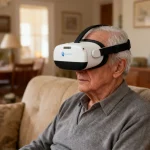
VR cognitive therapy for dementia at home
2026-01-11
The Science Behind the Success of VR Cognitive Training
2026-01-23
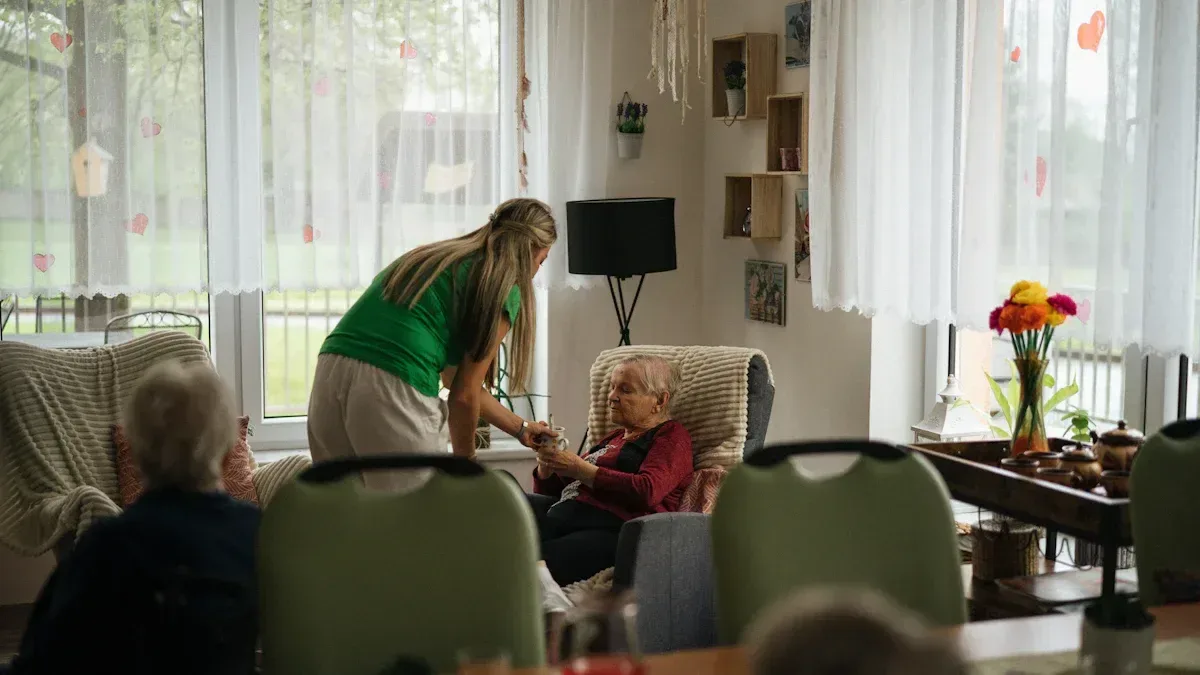
You may feel overwhelmed by the daily challenges of managing your loved one’s cognitive health at home. Many caregivers face anxiety and uncertainty, with studies showing:
- 26% of caregivers experience anxiety symptoms.
- Over half, at 62.6%, report anxiety within the normal range.
Remote Cognitive Monitoring and data visualization with QuickMind® help you gain clarity and confidence. These digital tools offer easy access and supportive features, making your caregiving journey less stressful and more empowering.
Key Takeaways
- Remote Cognitive Monitoring tools, like QuickMind®, help caregivers track their loved one’s cognitive health easily and effectively.
- Real-time insights and data visualization reduce caregiver anxiety by providing clear information about daily activities and cognitive changes.
- Engaging in structured routines and using digital tools can improve both caregiver and care recipient well-being.
- Early detection of cognitive decline through monitoring allows for timely interventions, enhancing the quality of care.
- Better communication with healthcare providers is achieved through shared data, leading to improved care planning and support.
Home Caregiver Challenges

Anxiety and Uncertainty at Home
You face many emotional hurdles when caring for someone with cognitive decline. Anxiety often becomes part of your daily routine. You may worry about unpredictable behaviors or sudden changes in mood. Many caregivers report feeling overwhelmed by the physical demands of caregiving. Emotional stress can lead to frustration, guilt, and even isolation. Depression and anxiety are common, with at least 20% of caregivers experiencing symptoms of depression. The stigma surrounding mental health issues can make it harder for you to seek support, increasing feelings of shame and guilt.
Tip: Building trust and comfort with familiar routines helps lower anxiety. Calm communication and a safe environment can minimize confusion and emotional distress.
You may notice that your own well-being is closely tied to your loved one’s quality of life. High levels of anxiety can disrupt your daily functioning and impact the care you provide. Studies show that more severe cognitive impairment and behavioral problems in care recipients predict greater burden and depression among caregivers. This increased burden can lead to poorer health outcomes for you and affect the overall quality of care.
| Study Type | Findings | Impact on Caregiver Health |
|---|---|---|
| 176-study meta-analysis | Severe cognitive impairment predicts greater burden and depression. | Poorer health outcomes, lower care quality. |
| Systematic review | Behavioral problems are key to caregiver burden. | Higher burden correlates with lower care quality. |
| Meta-analysis | Hostility links to chronic inflammation. | Psychological stress affects physical health. |
Tracking Cognitive Changes
You need reliable ways to monitor cognitive changes at home. Many caregivers use daily routines to provide predictability and reduce anxiety. Memory supports, such as labeling cabinets or installing whiteboards for schedules, help you track changes in your loved one’s abilities. Occupational therapy-led modifications can make daily activities easier and safer.
Recent studies show that smartphone apps and wearable trackers can capture cognitive-related metrics before clinical symptoms appear. Remote Cognitive Monitoring enables you to establish baseline patterns and identify subtle deviations, such as slower walking speed or increased time to complete tasks. Digital tools help distinguish between healthy aging and early signs of decline, supporting timely intervention and ongoing assessment.
Note: Engaging your loved one in meaningful activities and providing support during emotional episodes, like sundowning, can help manage anxiety and maintain emotional balance.
Remote Cognitive Monitoring Explained

Remote Cognitive Monitoring gives you the ability to observe and track your loved one’s cognitive health from home. This approach uses digital tools to collect and analyze data about daily routines, memory, and attention. You can receive alerts and updates in real time, which helps you respond quickly to changes. This technology supports early detection of cognitive decline and allows you to personalize care based on long-term trends.
With Remote Cognitive Monitoring, you can:
- Detect changes in your loved one’s condition early.
- Receive alerts and notifications about potential issues.
- Access clear documentation for better self-management.
- Share important information with healthcare providers.
Real-Time Cognitive Insights
You need immediate feedback to make informed decisions. Real-time cognitive insights provide you with up-to-date information about your loved one’s daily activities, sleep patterns, and behavior. These insights help you spot problems before they become serious. For example, if your loved one becomes inactive for a long period, you receive an alert. If sleep quality drops, you can adjust routines or seek advice.
| Feature | Benefit |
|---|---|
| Activity Tracking | Identifies changes in daily routines early |
| Sleep Monitoring | Tracks sleep quality and interruptions |
| Inactivity Alerts | Notifies you of extended periods of no motion |
| Outing Alerts | Informs you about movement during scheduled outings |
| Real-Time Insights | Gives immediate updates without cameras or microphones |
| Daily Summary | Offers an overview for better care planning |
QuickMind® stands out by delivering these insights through an easy-to-use interface. The system uses FDA-cleared virtual reality and artificial intelligence to ensure accuracy and reliability.
Digital Tools for Home Use
You have access to a range of digital tools for home cognitive care. Many tools, such as QuickMind®, offer user-friendly designs and personalized training plans. These tools help you track progress, adjust therapy, and stay engaged in your loved one’s care. QuickMind® provides both enterprise and home versions, making it flexible for different needs.
| Tool Name | Description | Usability Assessment |
|---|---|---|
| QuickMind® | Personalized VR-based cognitive rehabilitation | High |
| BAM-COG | Motivates healthy lifestyle changes | Effective |
| VC Health | Improves cognitive abilities, reduces anxiety and depression | Effective |
| SMART | Enhances attention and memory performance | Effective |
| Lumosity | Stimulates cognitive domains | Usable |
You can choose the tool that fits your situation best. QuickMind® makes it easy to start monitoring at home, giving you confidence and peace of mind.
Data Visualization in Cognitive Care
Clear Visuals for Progress Tracking
You need clear visuals to understand your loved one’s cognitive journey. Data visualization presents health information in a visually engaging manner, making it easier for you to monitor and track progress. When you use tools like QuickMind®, you see charts, graphs, and schedules that highlight changes over time. These visual aids help you spot trends and patterns quickly, so you can respond to new challenges with confidence.
| Type of Visual Aid | Purpose | Example Use |
|---|---|---|
| Charts | Track behavior frequency | Weekly behavior charts |
| Graphs | Visualize skill acquisition | Monthly progress graphs |
| Schedules | Structure therapy sessions | Daily visual schedules |
Visual aids improve communication between you and healthcare professionals. They make complex data more accessible and clarify progress over time. Studies show that visualizing longitudinal patient data helps clinicians and caregivers understand disease histories and make better decisions. Automated systems also improve data presentation and reduce cognitive load, allowing you to focus on what matters most.
Tip: Use weekly charts and monthly graphs to track progress. These visuals help you identify which activities support cognitive engagement and which routines need adjustment.
Actionable Information for Caregivers
You benefit from actionable information that guides your caregiving decisions. Remote Cognitive Monitoring tools provide real-time feedback, helping you assess which activities are most beneficial. Objective data boosts your confidence and supports informed choices about therapy and daily routines.
- Data visualization simplifies complex datasets, making it easier for you to identify patterns and insights.
- Real-time insights allow you to spot potential complications early and adjust care proactively.
- Visual dashboards integrate information from multiple sources, supporting quality improvement and better care outcomes.
- You can share visual summaries with healthcare providers, improving communication and coordination.
When you interpret visual data, you gain the ability to act quickly and effectively. This leads to improved health outcomes for your loved one and greater peace of mind for you.
Benefits for Caregivers
Reducing Anxiety and Uncertainty
You often feel anxious when you do not know how your loved one’s condition will change. Remote Cognitive Monitoring helps you manage this uncertainty by giving you real-time updates and structured support. Recent studies show that digital tools, such as internet-delivered cognitive behavioral therapy, can lower anxiety levels for caregivers. You gain more control and peace of mind when you use these systems.
- Internet-based therapy reduced clinically significant anxiety from 45% to 18% among caregivers.
- Structured programs improved your confidence and coping skills.
- Caregivers who used these tools reported less anxiety and depression over eight weeks compared to those who only received standard information.
You can rely on these digital solutions to help you feel more secure and less overwhelmed each day.
Early Intervention and Support
You want to catch changes in your loved one’s health as early as possible. Remote Cognitive Monitoring makes this possible by tracking daily activities, sleep, and cognitive performance. The system collects data from wearable sensors and analyzes it with advanced technology. You do not need to interact with complex devices. The process is simple and automatic.
| Component | Description |
|---|---|
| Monitoring Service | Tablet-based app tracks heart rate, sleep, and physical activity. |
| Data Collection | Wearable sensors send information to the cloud for analysis. |
| Machine Learning | Analyzes activity, sleep, and cognitive game scores to detect early signs of decline. |
| User Interaction | Minimal; you only need to use the sensor device. |
| Goal | Provides insights into Mild Cognitive Impairment (MCI) through continuous monitoring and alerts. |
You receive alerts and insights that help you act quickly. Early detection means you can adjust routines or seek medical advice before problems become serious.
Better Communication with Providers
You need to share accurate information with healthcare providers to ensure the best care. Remote Cognitive Monitoring tools make this process easier. These systems track health data continuously and share it with your care team. Providers can spot potential issues early and help you avoid unnecessary hospital visits.
You also benefit from patient portals and telehealth tools. These platforms improve your relationship with providers and help you stay informed about your loved one’s health. You can complete cognitive assessments and questionnaires from home, which reduces stress and gives your care team timely updates. Better communication leads to better care planning and more effective support.
Confidence in Care Decisions
You want to feel confident when making decisions about your loved one’s care. Digital monitoring solutions give you the information you need to make informed choices. Studies show that technology-based interventions can reduce caregiver burden and depressive symptoms, even if the effects are small. You can focus more on emotional support and less on routine tasks.
| Benefit | Description |
|---|---|
| Improved Communication | Shared dashboards and trend graphs help you and clinicians stay on the same page. |
| Reduced Administrative Burden | Automation of tasks like medication logging and fall detection frees up your time and energy. |
| Enhanced Care Quality | You can spend more time on meaningful activities and rehabilitation, improving overall care quality. |
You gain confidence as you see progress and understand trends. These tools empower you to provide the best possible care at home.
Real-Life Use and Getting Started
Everyday Scenarios with Data Visualization
You face many decisions each day as a caregiver. Data visualization tools help you see patterns and changes in your loved one’s cognitive health. For example, QuickMind® gives you real-time feedback and easy-to-read charts. You can quickly spot improvements or declines, which helps you adjust routines or activities.
Caregivers describe QuickMind® as transformative and empowering. You gain measurable results and real-time insights, which reduce anxiety and support informed decisions. Personalized cognitive interventions become possible, making your caregiving experience more effective and less stressful.
Other visual mapping tools, such as MapHabit, also support daily routines. These applications create step-by-step guides for tasks, helping you structure activities and manage care more efficiently.
| Example | Description | Impact |
|---|---|---|
| QuickMind® | Real-time feedback and progress charts for cognitive health | Empowers you to make informed decisions and reduce stress |
| MapHabit | Visual mapping for daily routines | Helps you organize and perform tasks effectively |
| Training Videos | Educational resources for using visual tools | Increases your knowledge and confidence |
Steps to Begin at Home
You can start using Remote Cognitive Monitoring and data visualization at home by following a few simple steps:
- Learn the Technology: Take part in training programs that teach you how to use devices and integrate them into daily care.
- Prepare for Emergencies: Make sure you know basic first aid, CPR, and how to use communication systems in urgent situations.
- Navigate Dashboards: Practice using caregiving platforms to interpret live health data and manage alerts.
You can also access resources like memory aids, reminder apps, and educational materials. Many platforms offer online support groups and web-based training to help you feel confident as you begin. These resources guide you through the process and connect you with professional assistance when needed.
Tip: Start small by tracking one or two daily activities. As you become comfortable, expand your use of digital tools to cover more aspects of care.
Remote Cognitive Monitoring and data visualization give you practical tools to manage caregiving at home. You see real benefits, such as:
- Higher engagement and compliance with care routines
- Slower cognitive decline for loved ones
- Increased social activity and reduced psychosocial risks
| Region/Demographic | Challenges Faced | Key Insights |
|---|---|---|
| High-Income Countries (HICs) | Acceptance of technology, ethical concerns, design misalignments | Technologies are available but face social and ethical barriers. |
| Low- and Middle-Income Countries (LMICs) | Digital divide, affordability, internet connectivity, low digital literacy | Unique structural barriers hinder access to remote cognitive monitoring technologies. |
You gain confidence and peace of mind with solutions like QuickMind®. These technologies empower you to deliver better care and improve outcomes for your loved ones. You can start your journey today and experience the benefits of accessible, innovative support.
FAQ
How does QuickMind® help you monitor cognitive health at home?
QuickMind® gives you real-time feedback and progress charts. You can track daily activities, spot changes early, and adjust routines. The system uses virtual reality and artificial intelligence to personalize cognitive rehabilitation.
Is QuickMind® easy for you to set up and use?
You receive step-by-step instructions and support. The home version offers a simple interface. You can start monitoring with minimal training. Most users find the setup process quick and straightforward.
Can you share QuickMind® data with healthcare providers?
You can export progress reports and share visual summaries. Providers use this information to guide care decisions. This feature improves communication and helps you coordinate with your care team.
What types of activities does QuickMind® track?
QuickMind® tracks memory exercises, attention tasks, and daily routines. You see charts for skill improvement and activity frequency. The system helps you identify which activities support cognitive health.