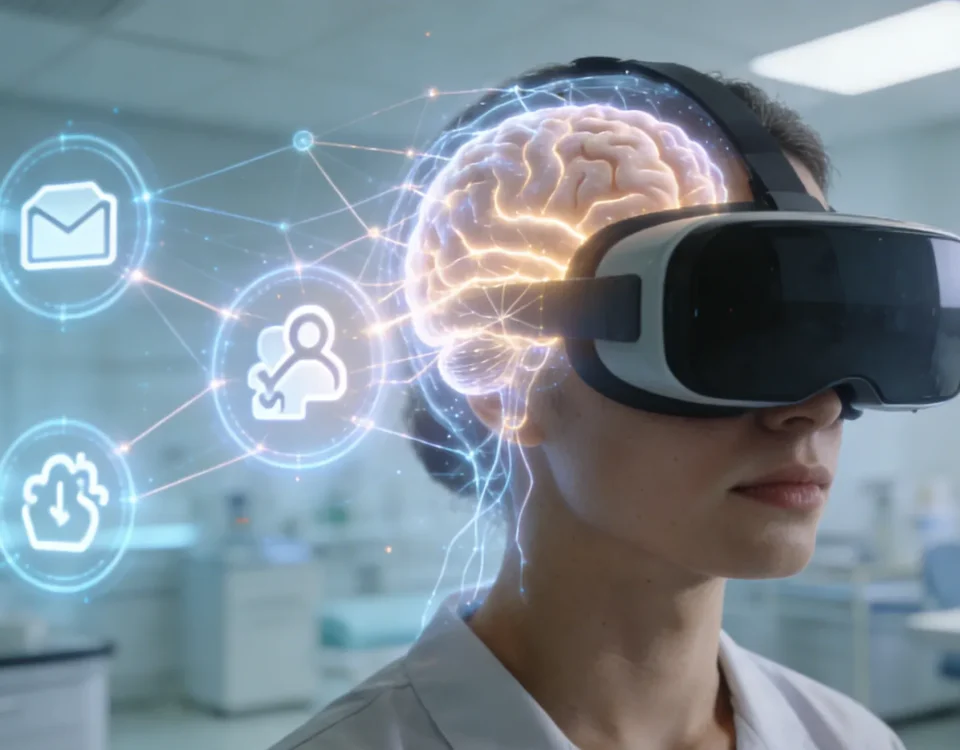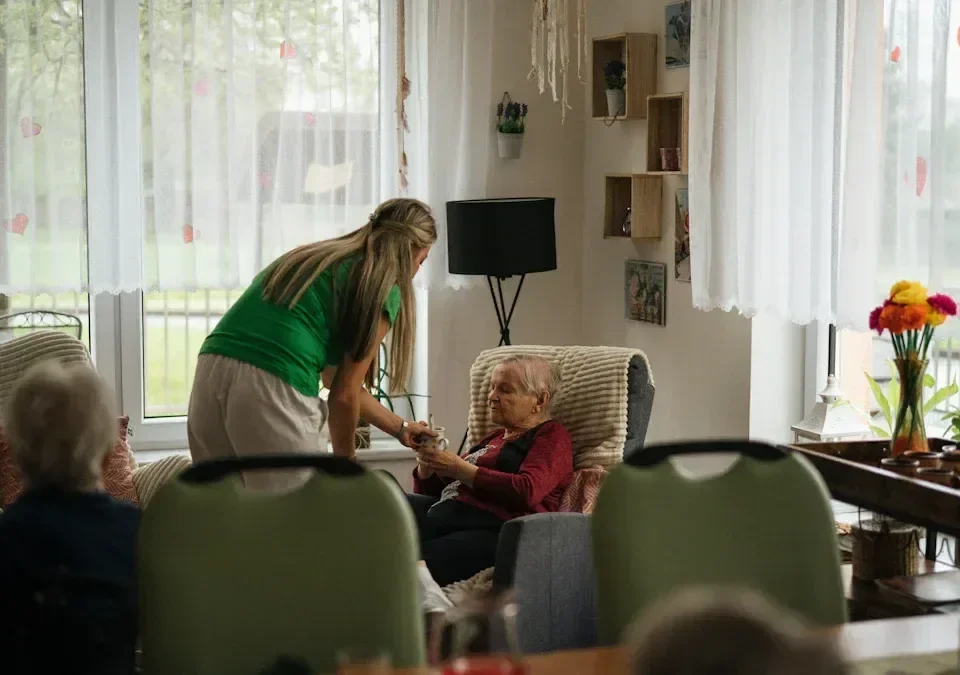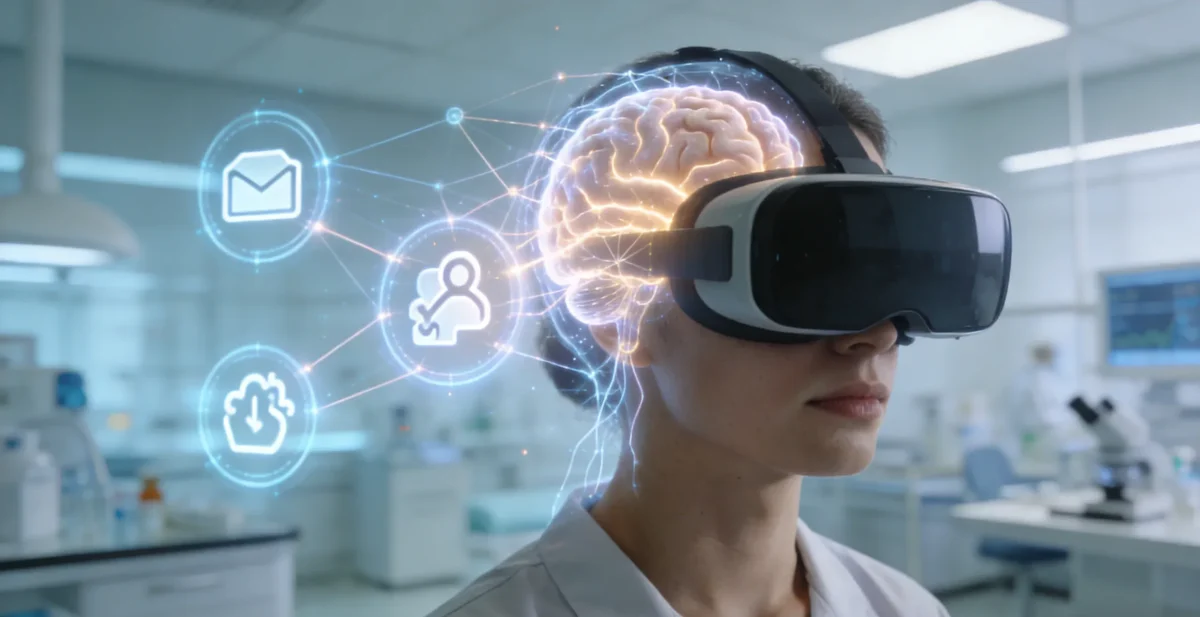






3 ways QuickMind boosts your brain health fast
2025-11-17
QuickMind VR: Never Waste Money on Rehab Again
2025-12-05
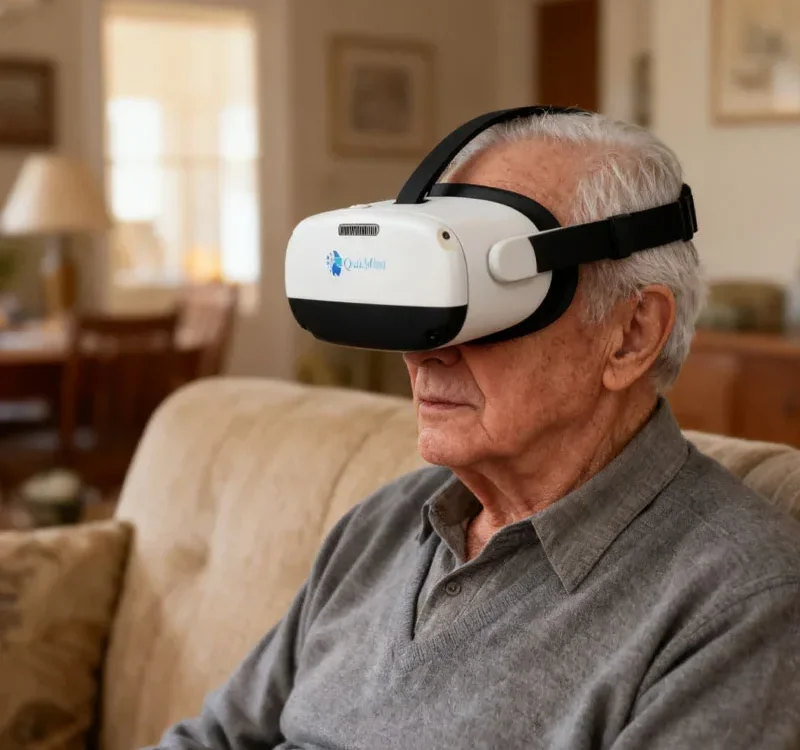
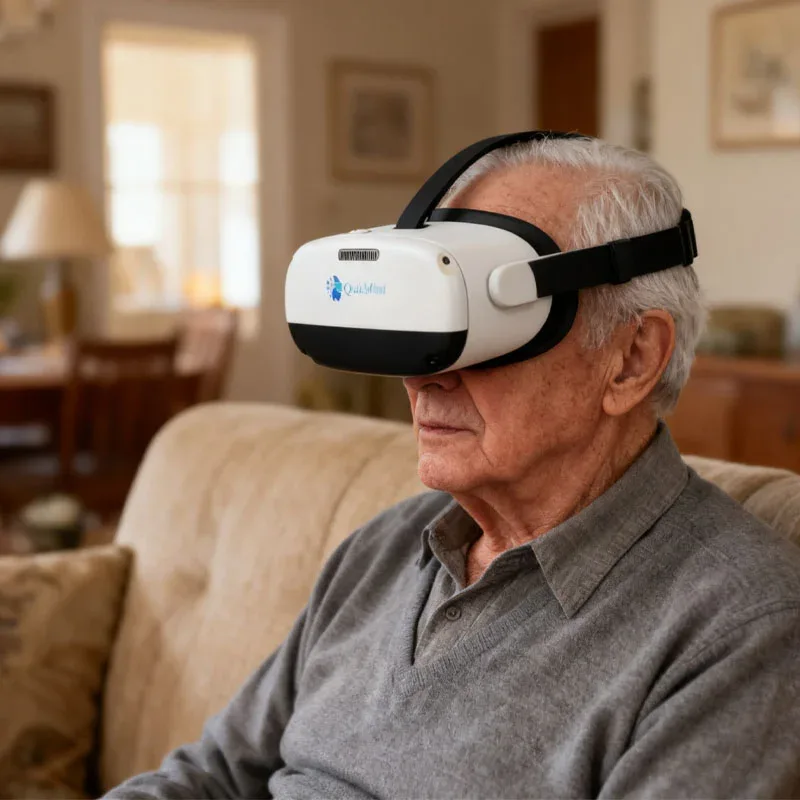
I remember meeting John, an 80-year-old living with dementia, who lit up when he put on a VR headset. He revisited his childhood home, smiled, and shared stories with his family. This moment showed me the power of virtual reality. VR can ease anxiety, spark memories, and help people reconnect. QuickMind® brings this hope to life. It offers quick cognitive screening and personalized therapy, making care more engaging for everyone. As the world’s aging population grows, I see VR changing lives, one joyful memory at a time.
Key Takeaways
- VR can help people with dementia reconnect with loved ones and share memories, reducing feelings of isolation.
- Personalized VR experiences can evoke positive memories, improve mood, and enhance overall wellbeing.
- Using VR in therapy can create a calming environment, helping to reduce anxiety and promote relaxation.
- Families can participate in VR sessions, fostering communication and creating joyful shared experiences.
- VR technology offers flexible therapy options, making it accessible in both home and clinic settings.
- Training caregivers in VR use builds empathy and understanding, improving the quality of care for patients.
- Research supports the effectiveness of VR in enhancing cognitive function and emotional health for dementia patients.
- Exploring community resources can help families access affordable VR therapy options, making it available to more people.
VR’s Promise for Dementia

Restoring Connection
I have seen how virtual reality can bridge the gap between people living with dementia and their loved ones. When I introduce VR experiences, patients often smile and reach out, eager to share memories. These moments create new opportunities for connection. VR environments allow families and caregivers to interact in meaningful ways, even when words become difficult. I rely on research to guide my approach. The following table highlights how VR restores social connection:
| Findings | Description |
|---|---|
| Memory Recall | Engaging patients with dementia in VR environments can help them recall memories, reducing social isolation. |
| Caregiver Interaction | VR can improve interactions with caregivers, enhancing social connectedness. |
| Wellbeing | The use of VR may develop a positive sense of wellbeing and reduce stress and agitation. |
I believe these benefits make every session worthwhile. I watch patients become more engaged and less withdrawn. The sense of belonging grows stronger with each visit.
Memory Recall
I use VR reminiscence therapy to help patients revisit important moments from their past. This approach sparks joy and brings comfort. I have read studies showing that tailored VR experiences can evoke positive memories and improve overall wellbeing. Here is a summary of research findings:
| Findings | Details |
|---|---|
| Cognitive Function | No significant changes immediately after VR intervention; continued decline 3-6 months later. |
| Mood Improvement | Significant reduction in depressive symptoms (P=.008). |
| Conclusion | VR reminiscence can improve mood and temporarily preserve cognitive function during the intervention period. |
I notice that patients often smile and share stories after a VR session. Their mood lifts, and they feel more present. These moments remind me why I continue to use VR in dementia care.
Emotional Support
I believe emotional wellbeing is just as important as cognitive health. VR offers a safe space for relaxation and enjoyment. Patients experience tranquility and reduced anxiety. I have seen firsthand how VR can decrease negative feelings and promote happiness. Here are some examples of VR-based interventions that support emotional health:
- Virtual reality technology enhances the quality of life for aged care residents, including those with dementia, by providing cognitive stimulation and reducing anxiety.
- A relaxing VR experience can decrease apathy and improve mood among aged care residents with dementia.
- Individuals with dementia often prefer VR experiences over non-virtual alternatives, showing improvements in mood and apathy.
- Tailored VR experiences evoke positive memories and improve overall wellbeing, emphasizing the reminiscence aspect of therapy.
I watch patients relax and smile during these sessions. Their families notice the difference. The hope VR brings to dementia care inspires me every day.
How VR Works in Dementia Care
Technology Overview
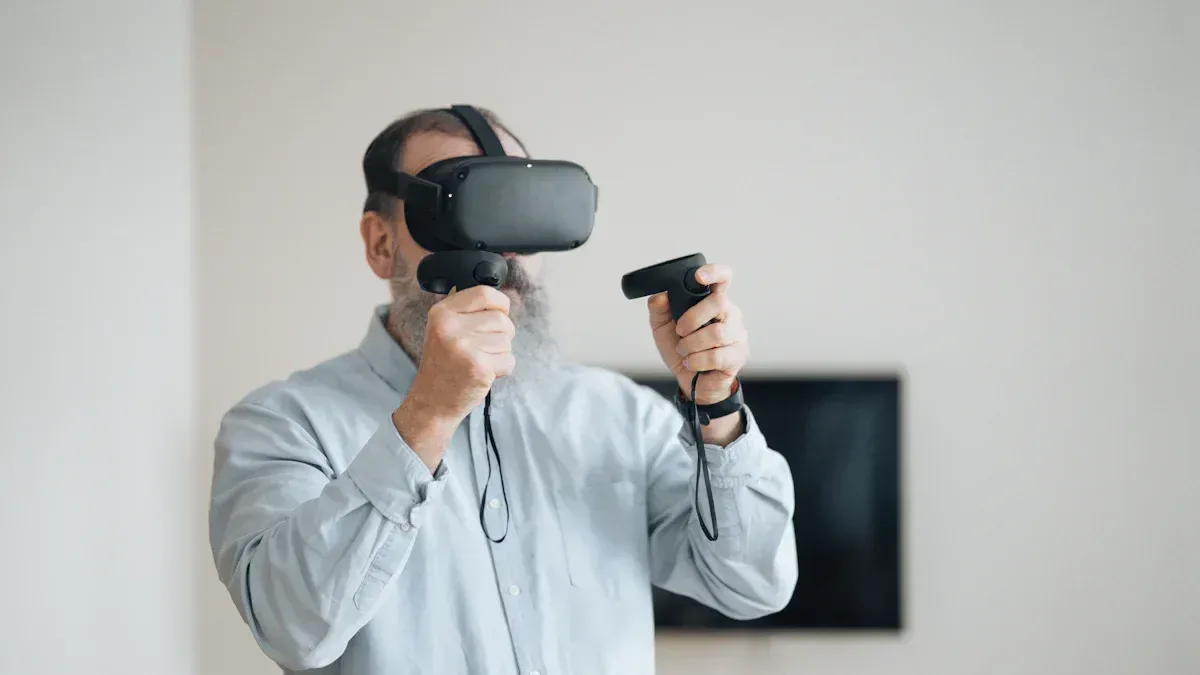
When I introduce virtual reality to my patients, I see their world expand. VR headsets transport them to places they remember or dream of visiting. Some patients walk through museums, while others return to their childhood neighborhoods. These immersive experiences do more than entertain. They help people relive memories and connect with loved ones. Sometimes, families join in, sharing the same virtual space and creating new moments together. I even use VR linked to 360-degree cameras, so residents can attend family events they might otherwise miss. This technology brings the outside world in, making every session meaningful.
QuickMind® stands out in this field. As an FDA-cleared system, it uses virtual reality and artificial intelligence to provide fast, reliable cognitive screening and rehabilitation. I trust QuickMind® because it delivers quick assessments with high accuracy, matching the consistency of traditional tools. The system creates personalized therapy plans based on AI analysis, ensuring each patient receives care tailored to their needs. I can use it in clinics or at home, making therapy accessible and engaging for everyone.
Home and Clinic Use
I love how flexible VR therapy has become. I can set up sessions in a clinic or bring the technology right into a patient’s home. This flexibility makes a big difference for people living with dementia. Here’s how I use VR in different settings:
- I often choose nurse clinics or home environments for VR therapy. These settings require less time and money, making therapy more accessible.
- I conduct VR assessments at home, where patients feel comfortable. This familiar environment helps reduce anxiety and encourages participation.
- I always consider how easy the technology is for older adults to use. I take time to introduce the tools gently, making sure everyone feels confident and supported.
This approach allows me to reach more people and provide consistent care, no matter where they are.
Personalized Therapy
Personalized therapy is where VR truly shines. I design each session to fit the unique needs of my patients. The immersive environments keep them engaged and motivated. I see smiles, laughter, and even tears of joy as they interact with the virtual world. QuickMind® helps me track progress in real time. I can measure performance, adjust therapy plans, and celebrate every achievement.
The impact of personalized VR therapy is clear. Here’s a table that shows the positive effects I’ve seen:
| Outcome Variable | Effect Size | Description |
|---|---|---|
| Cognitive Functioning | Small-to-Medium | VR interventions improve cognitive functioning in patients with mild cognitive impairment or dementia. |
| Physical Fitness | Small-to-Medium | VR therapy supports better physical fitness for patients. |
| Emotional Well-being | Small-to-Medium | Patients feel more satisfied and less anxious during VR sessions compared to traditional tasks. |
I use immersive environments to make therapy enjoyable. Real-time adjustments help me respond to each patient’s needs. Progress tracking lets me see how far we’ve come and where we can go next. Every session brings hope and new possibilities.
VR Benefits for Dementia
Cognitive Training for Dementia
Memory Stimulation
I have watched patients light up when they engage in VR memory games. These activities challenge the mind and encourage recall. I see how VR can bring back names, faces, and places that once seemed lost. The immersive nature of VR makes every session feel like a new adventure. I remember one patient who, after a VR session, remembered her favorite childhood song and sang it with her daughter. That moment filled the room with joy.
The benefits of VR cognitive training have support from clinical studies. Here is a table that summarizes one such study:
| Study Title | Focus | Findings |
|---|---|---|
| Feasibility and Effects of Virtual Reality Motor-Cognitive Training in Community-Dwelling Older People With Cognitive Frailty | Evaluated the cognitive training benefits of VR for older adults with cognitive frailty | Preliminary evidence suggests VR training enhances cognitive function and is feasible for this population. |
These results inspire me to keep using VR as a tool for memory stimulation. I see real progress in my patients, and that motivates me every day.
Focus and Problem-Solving
I use VR exercises that require attention and quick thinking. These activities help patients practice focus and decision-making. I notice improvements in how they handle daily tasks. VR challenges the brain in a safe and supportive environment. Patients often tell me they feel more alert and confident after a session. I believe these small victories add up, giving hope to families and caregivers.
Physical and Emotional Well-being
Reducing Anxiety
Many patients with dementia feel anxious or restless. I have seen how VR can create a calming space. Gentle music, peaceful landscapes, and guided relaxation help ease worries. Patients often relax and breathe more deeply during these sessions. I see their faces soften and their bodies unwind. The sense of peace lasts even after the headset comes off.
Enhancing Mood
VR does more than calm the mind. It lifts spirits and brings smiles. I love watching patients laugh as they explore new worlds or revisit favorite places. The emotional boost is clear. Families notice the difference, too. They tell me their loved ones seem happier and more engaged.
Research supports these observations. Here is a table that highlights the impact of VR on physical and emotional well-being:
| Findings | Description |
|---|---|
| Cognitive Health | Improvements in memory and attention among participants engaging with VR. |
| Physical Well-being | Enhanced mobility and overall physical health due to interactive VR experiences. |
| Emotional Resilience | Increased engagement and reduced feelings of isolation, highlighting psychosocial benefits. |
These results remind me that VR is not just a tool for the mind. It supports the whole person.
Personalized Experiences
Tailored Activities
Every person is unique. I use VR to create activities that match each patient’s interests and abilities. Some enjoy painting in a virtual studio. Others prefer exploring gardens or listening to music. I adjust each session to fit the individual. This personal touch makes therapy more meaningful and effective.
Reminiscence Therapy
Reminiscence therapy holds a special place in my heart. I guide patients through virtual environments that reflect their past—childhood homes, favorite parks, or familiar city streets. These experiences spark memories and encourage conversation. I see patients open up, sharing stories and connecting with loved ones.
Research shows that VR reminiscence therapy brings many benefits. Here is a table that summarizes the findings:
| Evidence Type | Findings |
|---|---|
| Emotional Well-Being | VR reminiscence therapy alleviates emotional distress and psychological discomfort for both people with dementia and caregivers, leading to significant emotional relief and relaxation. |
| Memory Recall | VR environments depicting familiar and calming landscapes enhance memory recall and reduce anxiety, leading to increased relaxation. |
| Social Engagement | VR reminiscence therapy facilitates meaningful interactions, encouraging sharing of personal experiences and enhancing social connections. |
VR environments can evoke deeply personal and emotionally meaningful experiences, contributing to a sense of identity and self-awareness. Participants in VR reminiscence therapy display higher levels of emotional satisfaction and security compared to traditional reminiscence therapy. Nostalgic memories triggered by virtual environments lead to enhanced memory recall and deeper engagement with caregivers.
I witness these benefits every day. VR helps patients rediscover themselves and reconnect with those around them. The hope I see in their eyes reminds me why I believe in this technology.
Supporting Caregivers and Families
Empathy Building
I have seen how virtual reality can open hearts. When I guide caregivers through VR experiences that simulate the world of someone living with memory loss, I watch understanding grow. Caregivers step into the shoes of their loved ones. They see daily challenges from a new perspective. This shift builds empathy and patience. I notice families become more compassionate. They listen more and judge less. VR helps us remember that every person’s journey with memory loss is unique.
Tip: Try a VR session together as a family. Sharing the experience can spark important conversations and deepen bonds.
Communication Tools
Communication often becomes difficult as memory fades. I use VR to bridge that gap. Interactive environments give families new ways to connect. Sometimes, a virtual walk through a familiar park brings back words and laughter. Other times, painting or music in VR helps express feelings that are hard to say. I encourage families to use these tools to create joyful moments.
Here are a few ways VR supports communication:
- Shared virtual experiences encourage conversation.
- Visual and auditory cues in VR help trigger memories.
- Creative activities in VR offer new ways to express emotions.
I see families leave sessions feeling closer. They discover new ways to reach each other, even when words fail.
Reducing Caregiver Stress
Caring for someone with dementia can feel overwhelming. I have felt the weight of responsibility myself. VR offers a break from daily stress. When patients engage in calming virtual environments, caregivers get a moment to rest. I have read research showing that immersive VR can reduce caregiver burden. After a month of VR sessions, both caregivers and patients experience less stress and fewer challenging symptoms. The relief may not last forever, but even a short break can make a big difference.
I remind caregivers to care for themselves, too. VR is not just for patients. Guided relaxation or mindfulness sessions in VR can help caregivers recharge. I believe that when caregivers feel supported, everyone benefits.
| Benefit for Caregivers | Description |
|---|---|
| Empathy | VR builds understanding and patience. |
| Communication | VR creates new ways to connect with loved ones. |
| Stress Relief | VR offers moments of calm and respite. |
I see hope in every session. Families grow stronger. Caregivers find new energy. Together, we discover that technology can bring light to even the hardest days.
Challenges and Considerations
Cost and Accessibility
I see many families eager to try VR therapy for dementia. The cost of equipment and software can feel overwhelming. Some advanced systems require investment, which may not fit every budget. I encourage families to explore options. Community centers and clinics sometimes offer VR sessions at reduced rates. I believe technology should reach everyone who needs it. Mobile VR solutions, like QuickMind®, make therapy more accessible. I have watched patients benefit from home-based sessions. These options help bridge the gap for those who cannot travel or afford traditional therapy.
Tip: Ask local healthcare providers about VR programs. Many organizations want to make these tools available to more people.
I know accessibility means more than just cost. Some patients need help setting up devices. I always offer support and guidance. Simple instructions and easy-to-use interfaces make a big difference. I celebrate every step toward making VR therapy available to all.
Safety and Comfort
Safety matters most when I introduce VR to patients with dementia. I check the environment before each session. I remove obstacles and ensure a comfortable chair is nearby. Some patients feel uneasy wearing headsets. I listen to their concerns and adjust the session as needed. I choose lightweight devices whenever possible. I notice that heavy headsets can cause discomfort, especially for older adults.
I pay close attention to sensory needs. Many patients have reduced vision or hearing. I select VR experiences with clear visuals and gentle sounds. I watch for signs of dizziness or nausea. If a patient feels unwell, I stop the session immediately. I believe comfort leads to better engagement. I want every patient to feel safe and supported.
- Patients sometimes report limited vision while using head-mounted displays. They may feel isolated from their surroundings.
- The weight of the displays can be a concern for users.
- Older adults with dementia often have reduced sensory capacities, which affects their ability to engage with VR content.
- Some participants experience dizziness or nausea during VR sessions. Careful design and monitoring help minimize discomfort.
I adjust each session to fit the needs of the individual. I believe that thoughtful preparation creates a positive experience.
Content Development
Creating VR content for dementia therapy inspires me. I want every experience to feel meaningful and enjoyable. I work with developers to design activities that match the interests and abilities of my patients. I focus on familiar environments and gentle interactions. I know that older adults with dementia need clear visuals and simple controls.
I listen to feedback from patients and caregivers. Some users mention limited vision or feeling isolated during sessions. I address these concerns by choosing content with bright colors and open spaces. I avoid crowded or confusing scenes. I also consider the weight of the headset. Lighter devices help patients stay comfortable longer.
I pay attention to sensory challenges. Many patients have reduced hearing or vision. I select content that uses strong visual cues and soothing sounds. I watch for signs of dizziness or nausea. I believe careful design can minimize these issues. I want every session to bring joy and comfort.
- I choose activities that encourage movement and interaction.
- I avoid fast-paced or overwhelming experiences.
- I test new content with patients before adding it to regular sessions.
I see the future of VR therapy growing brighter. Thoughtful content development opens new doors for patients and families. I feel hopeful every time I see a patient smile in a virtual world.
Training Needs
I have learned that introducing virtual reality into dementia care brings excitement and hope, but it also requires preparation. I believe that proper training empowers caregivers and clinicians to use VR confidently and compassionately. When I first started, I felt a mix of curiosity and uncertainty. I wanted to make sure I could offer the best experience for my patients. Training gave me the tools and knowledge I needed.
I discovered that a strong foundation in understanding behavioral and psychological symptoms of dementia (BPSD) makes a big difference. I spent time learning about the challenges my patients face and how VR can help. My training included both theory and hands-on practice. I found that a structured approach works best. Here is a table that outlines the key components of effective training:
| Training Component | Description |
|---|---|
| BPSD Foundational Education | 100 minutes covering overview, identification, and management strategies for BPSD |
| VR Training | 100 minutes including immersive scenarios, group discussions, management techniques, reflection, and Q&A |
I remember my first immersive VR simulation. I stepped into the shoes of someone living with dementia. The experience changed my perspective. I felt the confusion and frustration that my patients sometimes feel. This kind of training helped me build empathy and patience. I also joined collaborative virtual environments with other caregivers. We shared stories, discussed challenges, and learned new management techniques together.
Here are some elements that I found most valuable in my training:
- Immersive first-person simulations that let me experience dementia from the inside
- Collaborative virtual environments for sharing and learning with peers
- Focus on emotional experience and ethical reflection to guide my actions
I believe that ongoing support and reflection are essential. After each session, I take time to think about what went well and what I can improve. I ask questions and seek feedback from colleagues. This habit keeps me growing and helps me provide better care.
Tip: Embrace every training opportunity with an open mind. Each lesson brings you closer to understanding and supporting those living with dementia.
I encourage every caregiver and clinician to invest in training. The right preparation transforms uncertainty into confidence. It turns technology into a bridge of hope. When we learn together, we create a brighter future for our patients and their families.
Future of VR in Dementia Therapy
Innovations Ahead
I feel excited every time I see new technology emerge in the world of virtual reality therapy. The latest VR systems create immersive environments that do more than entertain. They unlock memories and improve overall well-being for people like John, who I mentioned earlier. I have watched VR reduce anxiety and lift the mood of my patients. These moments remind me that we are only at the beginning of what is possible.
- VR therapy now offers personalized experiences that help patients recall old memories.
- Interactive environments encourage engagement and spark conversations with caregivers.
- Real-time feedback allows me to adjust therapy instantly, making each session unique.
Imagine a therapy that doesn’t just treat symptoms, but rekindles the spark of selfhood. That’s the promise of VR.
I believe the future holds even more promise. Developers continue to design new activities and environments. I look forward to seeing VR become even more intuitive and accessible for everyone.
Expanding Access
I know that access to VR therapy can change lives. Around the world, organizations work hard to bring these tools to more people. I have seen programs like caregiVR offer immersive experiences tailored to individual needs. These programs help patients feel seen and understood.
- caregiVR creates VR sessions that match each person’s interests and abilities.
- Research teams develop VR tourism programs, allowing patients to visit new places and revisit old favorites without leaving home.
I read about a project in Kolkata that inspired me. The team started by asking over 100 participants which activities made them happiest. They then designed a VR program focused on immersion and engagement. When ten people tested the program, they reported greater satisfaction and improved mental well-being. I see these efforts as steps toward a future where everyone can benefit from VR therapy, no matter where they live.
Research Trends
I stay curious about the latest research in VR therapy. Scientists and clinicians continue to study how VR can support people with dementia. They look for ways to make therapy more effective and enjoyable. I often read about new findings that show VR helps patients recall memories, connect with loved ones, and feel less anxious.
Researchers also explore how to measure progress and personalize therapy. They use data from VR sessions to track improvements and adjust plans. I believe this focus on evidence and innovation will lead to even better outcomes in the years ahead.
I feel hopeful every time I see a patient smile during a VR session. The future of VR in dementia therapy shines bright, filled with possibility and promise.
Hope for the Future
I see hope every time I introduce virtual reality to someone living with dementia. The technology continues to evolve, and I believe the future holds even greater promise. I watch patients smile as they explore new worlds and reconnect with cherished memories. These moments remind me that progress is possible.
I imagine a future where VR therapy becomes a standard part of dementia care. More families will have access to these tools. QuickMind® and similar systems will help people screen for cognitive changes early and start therapy right away. I picture clinics and homes filled with laughter and conversation as patients and caregivers share virtual experiences.
“The best way to predict the future is to create it.”
I keep this quote close to my heart. Every time I help a patient use VR, I feel like I am building a brighter tomorrow.
I believe new innovations will make VR even easier to use. Headsets will become lighter and more comfortable. Software will adapt to each person’s needs. I expect therapy sessions to feel more natural and engaging. I see researchers working together to design activities that spark joy and encourage movement. These improvements will help more people benefit from VR, no matter their age or ability.
I feel inspired by the stories I hear from families. They tell me about moments of connection and happiness. They describe how VR helps their loved ones feel less alone. I know that technology cannot solve every challenge, but it can offer hope and support.
Here are some dreams I have for the future of VR in dementia care:
- Every patient receives therapy tailored to their interests and abilities.
- Caregivers find new ways to connect and communicate.
- Communities come together to share resources and support.
- Researchers continue to study and improve VR therapy.
I believe that hope grows when we work together. I encourage families to stay curious and open-minded. I invite caregivers to try new tools and share their experiences. I trust that each step forward brings us closer to a world where dementia care is filled with compassion and possibility.
I feel grateful for the chance to witness these changes. I know that the journey will not always be easy, but I see hope shining through every challenge. Virtual reality gives us new ways to care, connect, and dream. The future looks bright, and I am excited to be part of it.
I feel inspired by the progress I see with VR in dementia care. Patients and caregivers experience less stress and more connection. Recent studies show that immersive VR deepens understanding and brings positive reactions from families and professionals.
- People share empathy and learn from these experiences.
- Caregivers report reduced burden and improved well-being.
| Recommendation Type | Description |
|---|---|
| Multisensory Design | Engaging all senses enhances therapy. |
| Personalized Content | Tailored experiences boost engagement and comfort. |
I encourage families to explore VR solutions like QuickMind®. Together, we can bring hope and joy to dementia care.
FAQ
What is virtual reality therapy for dementia?
I use virtual reality therapy to help people with dementia engage their minds and emotions. VR creates immersive experiences that spark memories, reduce anxiety, and encourage connection. I see patients smile and interact in ways that traditional therapy cannot achieve.
How does QuickMind® support dementia care?
QuickMind® gives me fast, accurate cognitive screenings and personalized rehabilitation plans. The system uses AI and eye-tracking to track progress. I can use it at home or in clinics. QuickMind® helps me deliver engaging therapy and monitor improvements over time.
Is VR therapy safe for older adults?
I always check the environment and choose comfortable headsets. I watch for dizziness or discomfort. Most patients enjoy VR sessions and feel safe. I adjust activities to match each person’s needs. Safety and comfort remain my top priorities.
Can families participate in VR sessions?
Families often join VR sessions with their loved ones. Shared experiences help everyone connect and communicate. I encourage families to try VR together. These moments create new memories and deepen bonds. I see joy and understanding grow with each session.
What benefits does VR offer for caregivers?
VR gives caregivers a break and reduces stress. I use VR to build empathy and teach new communication skills. Caregivers feel more confident and supported. I see families grow stronger and more resilient through shared VR experiences.
How do I start using VR therapy for dementia?
I recommend reaching out to a healthcare provider or clinic that offers VR therapy. I help families set up devices and choose activities. QuickMind® makes starting easy with user-friendly tools and clear instructions. I guide each step to ensure a positive experience.
Does VR therapy improve memory and mood?
I see patients recall memories and show improved mood after VR sessions. Research supports these benefits. VR therapy stimulates the mind and lifts spirits. I believe every session brings hope and progress.