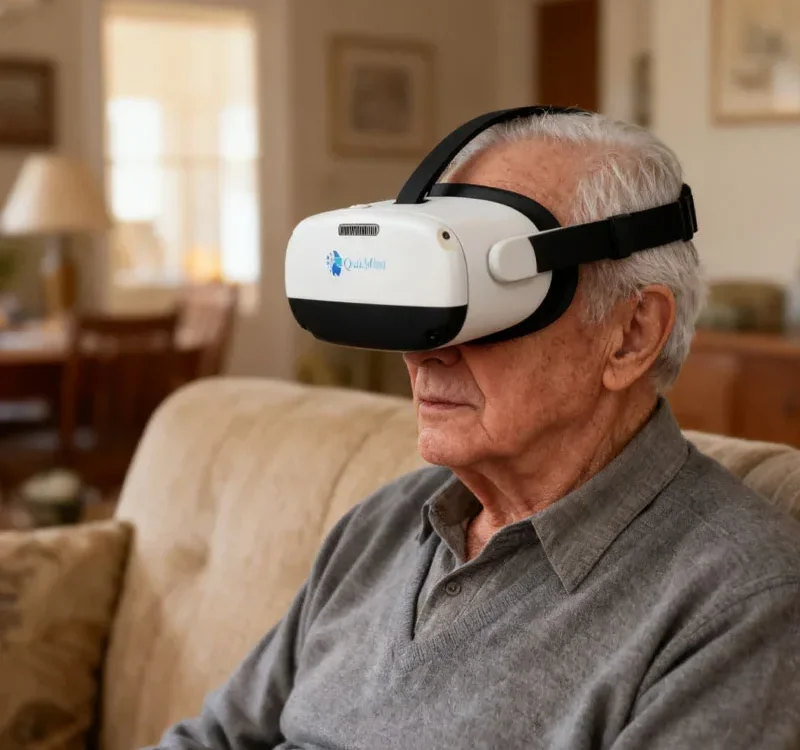






Remote Cognitive Monitoring Makes Caregiving Easier at Home
2026-01-15
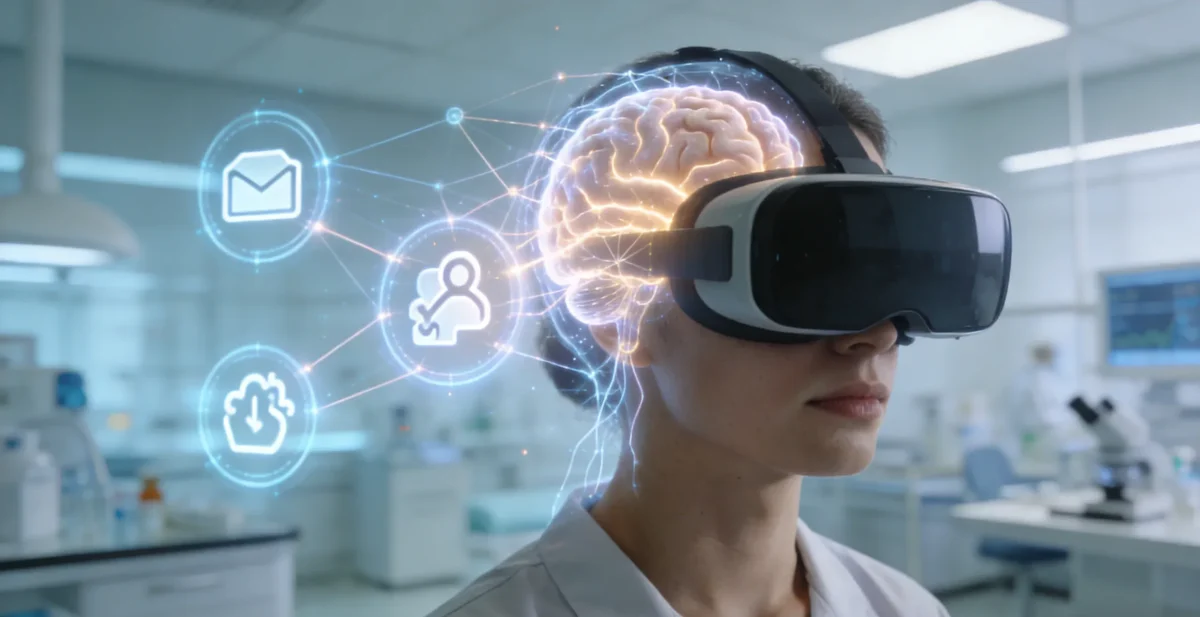
Virtual Reality (VR) has evolved far beyond its origins in gaming and entertainment. Today, it is emerging as a powerful and evidence-based tool in cognitive training and cognitive rehabilitation, with the potential to transform how we assess, train, and restore cognitive functions.
By combining immersive technology with neuroscience and psychology, VR cognitive training offers a highly engaging, personalized, and data-driven approach that traditional methods struggle to match. This article explores the scientific mechanisms, key benefits, real-world applications, and future potential behind the success of VR-based cognitive training.
What Is VR Cognitive Training?
VR cognitive training refers to the use of virtual reality technology to create immersive, interactive environments in which users perform tasks designed to improve cognitive functions such as:
- Memory
- Attention
- Executive function
- Spatial awareness
- Problem-solving skills
Unlike conventional paper-based or screen-based cognitive exercises, VR places users inside realistic, three-dimensional scenarios that closely resemble real-life situations. This significantly enhances ecological validity, making training outcomes more transferable to everyday life.
How Immersive VR Enhances Cognitive Engagement
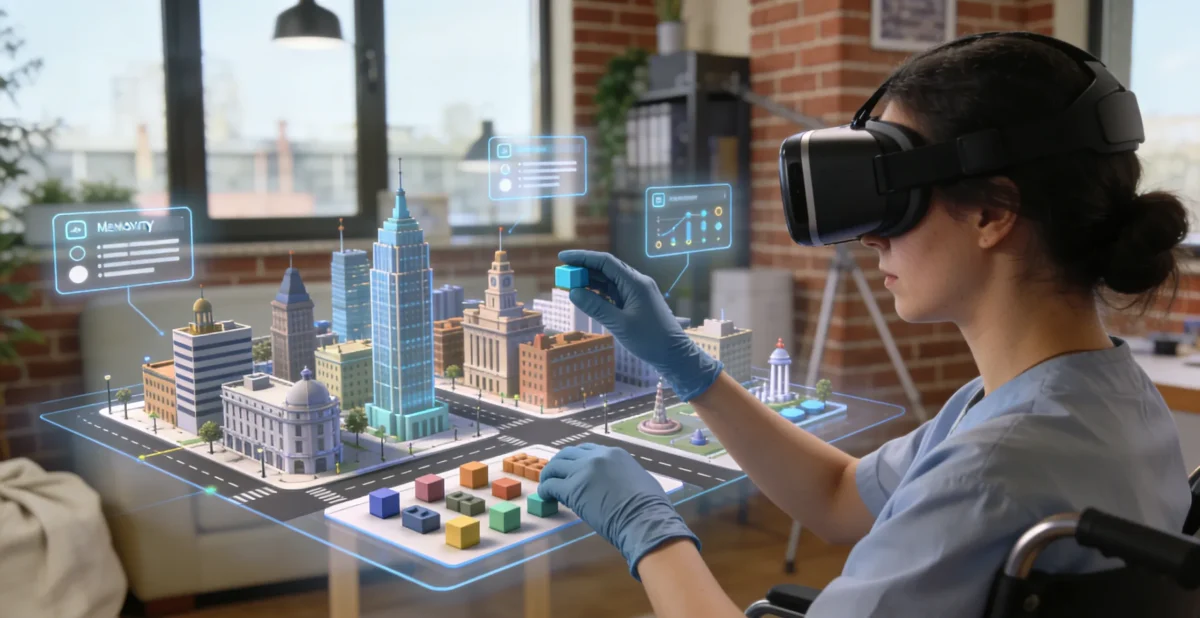
Realistic Virtual Environments
Modern VR systems use advanced graphics, spatial audio, and intuitive interaction to create highly realistic environments. This realism allows users to suspend disbelief and fully engage with cognitive tasks, leading to higher levels of focus and sustained attention.
Higher engagement is a critical factor in successful cognitive training, as it directly influences learning efficiency and long-term retention.
Training Beyond Real-World Limitations
VR enables the simulation of environments that are difficult, dangerous, or impractical to recreate in real life, such as:
- Emergency situations
- High-stress workplaces
- Complex navigation tasks
These scenarios can be repeated, modified, and controlled with precision, providing an ideal setting for safe and effective cognitive training.
Personalization and Adaptability in VR Cognitive Therapy
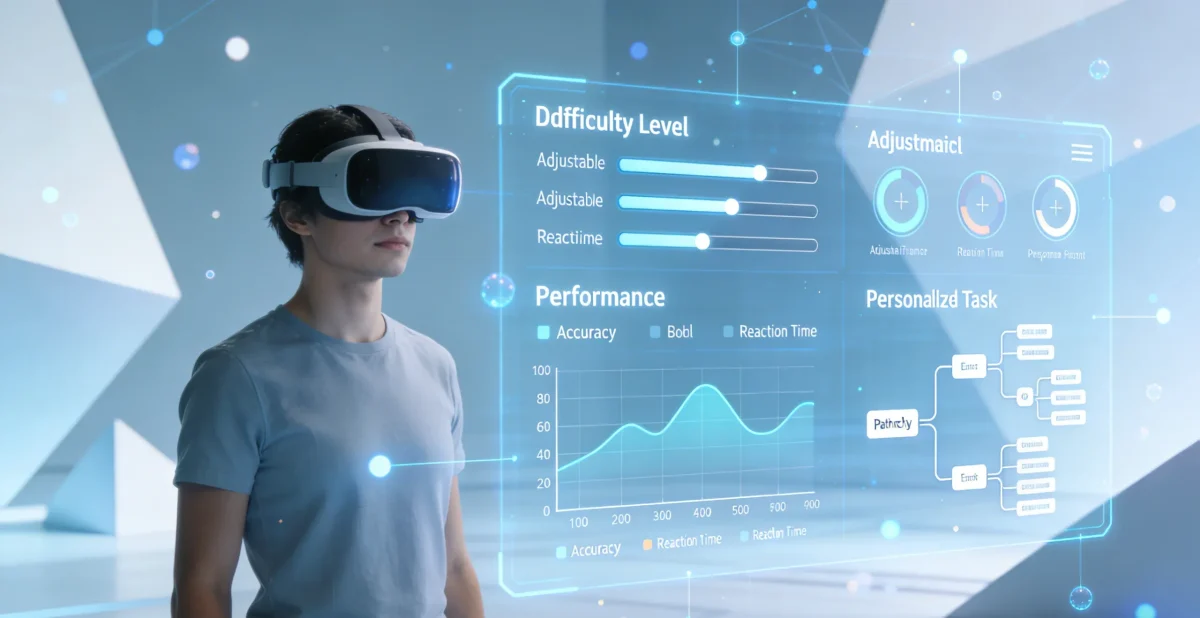
One of the most significant advantages of VR cognitive training is its high degree of customization. Therapists and clinicians can tailor virtual environments to match each individual’s cognitive profile, goals, and progress level.
For example:
- Individuals with memory impairments can train recall and recognition tasks with gradually increasing complexity.
- Users with attention deficits can engage in distraction-controlled environments that adapt in real time.
This adaptive approach helps prevent training plateaus and continuously stimulates neuroplasticity, the brain’s ability to reorganize and form new neural connections.
The Neuroscience Behind VR Cognitive Training Effectiveness
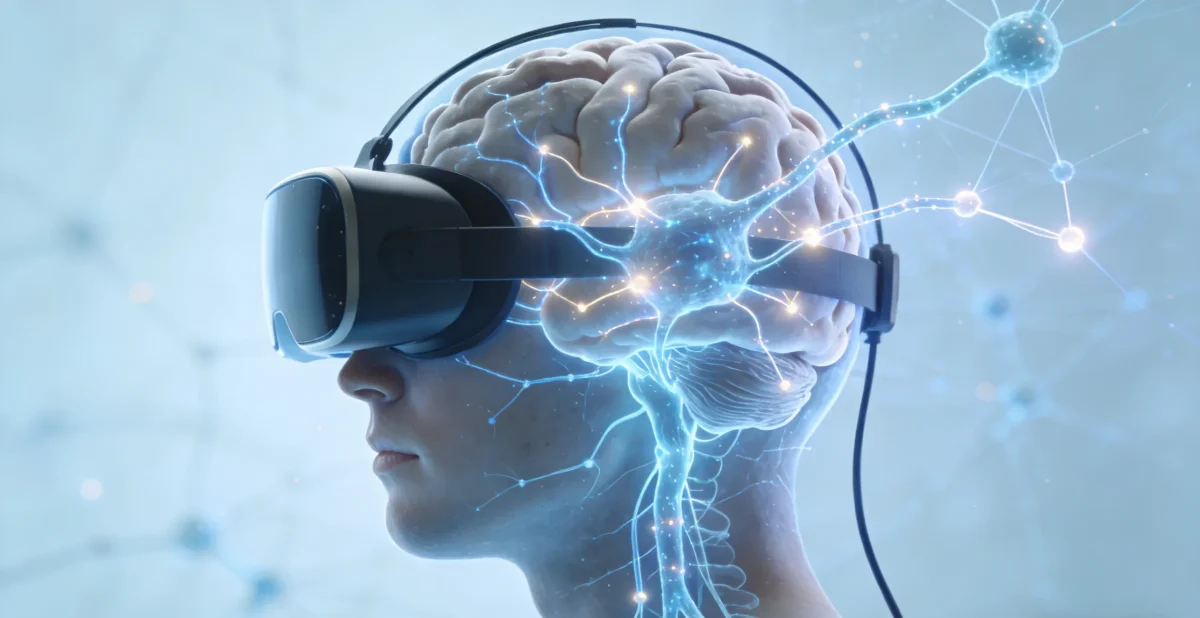
Neuroplasticity: Rewiring the Brain Through Experience
Neuroplasticity is the foundation of all cognitive training. VR supports neuroplastic changes by delivering:
- Repetitive practice without monotony
- Multisensory stimulation
- Context-rich, goal-oriented tasks
The immersive nature of VR enhances sensory input and emotional involvement, both of which are known to strengthen neural pathways and accelerate learning.
Presence: The Feeling of “Being There”
Presence refers to the psychological sensation of actually existing within a virtual environment. High levels of presence are strongly associated with:
- Increased motivation
- Deeper cognitive engagement
- Improved learning outcomes
When users feel truly “present,” they invest more effort and attention, leading to more effective skill acquisition and rehabilitation.
Key Benefits of VR Cognitive Training
1. Increased Engagement and Motivation
VR transforms traditional cognitive exercises into immersive, game-like experiences. Through elements such as challenges, rewards, and progression systems, training becomes more enjoyable and motivating.
Higher motivation leads to better adherence, which is one of the most important predictors of cognitive training success.
2. Real-Time Feedback and Data-Driven Insights
VR systems can precisely track user performance, including:
- Reaction times
- Error rates
- Task completion paths
- Learning curves
This objective data allows clinicians to evaluate progress accurately and adjust training protocols in real time, ensuring evidence-based and outcome-focused interventions.
3. Safe and Controlled Training Environments
VR provides a risk-free space where users can practice cognitive and functional skills without real-world consequences. This is particularly valuable for individuals recovering from neurological injuries or managing mental health conditions.
Users are free to make mistakes, repeat tasks, and gradually build confidence in a supportive environment.
Applications of VR Cognitive Training
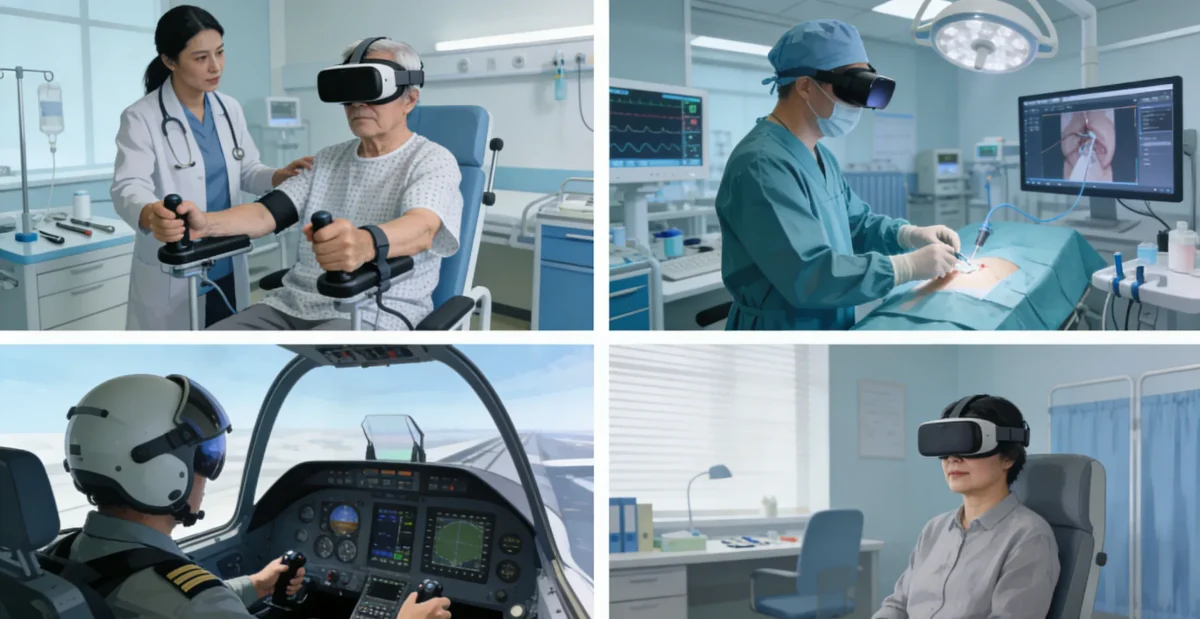
Cognitive Rehabilitation
VR cognitive training is increasingly used in rehabilitation for conditions such as:
- Traumatic brain injury (TBI)
- Stroke-related cognitive impairment
- Neurodegenerative diseases, including Alzheimer’s disease
By simulating daily living tasks, VR helps patients relearn skills and improve independence and quality of life.
Professional and Skills Training
Industries such as aviation, medicine, and the military use VR for high-stakes training:
- Pilots practice emergency procedures
- Surgeons rehearse complex operations
- Military personnel train in tactical scenarios
VR enables realistic practice without physical risk, improving performance and safety.
Mental Health and Psychological Therapy
VR is widely used in mental health interventions, including:
- Exposure therapy for phobias and anxiety disorders
- PTSD treatment
- Stress reduction and mindfulness training
Gradual and controlled exposure within VR environments allows individuals to confront fears and process trauma safely and effectively.
Challenges and Future Directions
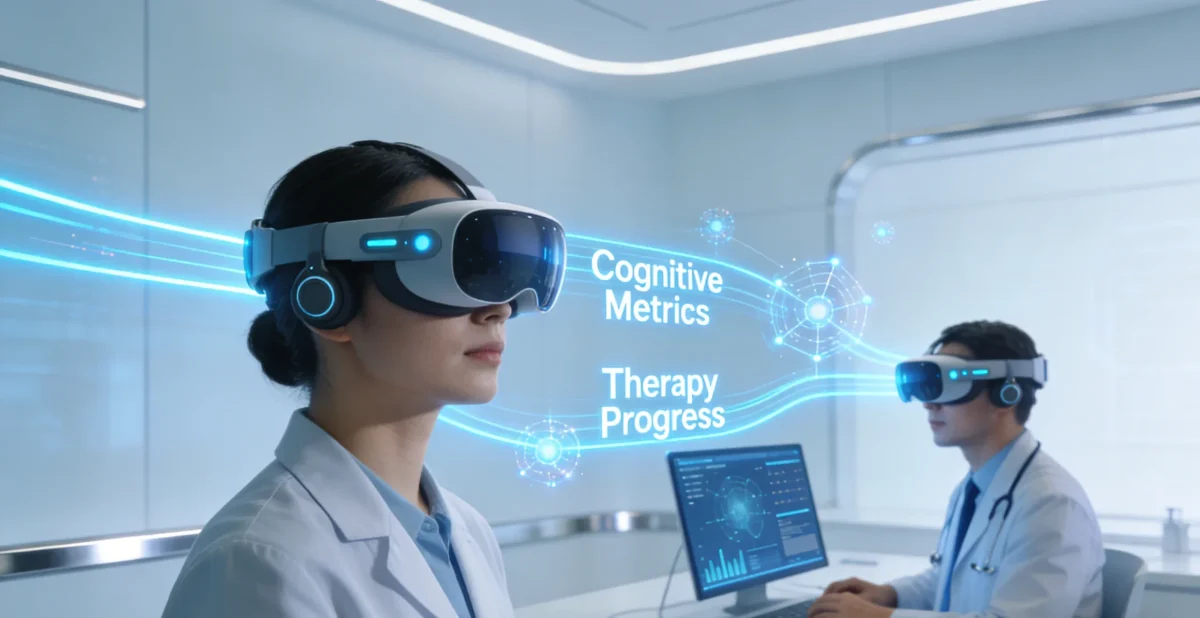
Current Challenges
Despite its promise, VR cognitive training faces several barriers:
- High equipment and implementation costs
- Need for specialized clinician training
- Lack of standardized clinical protocols
The Future of VR Cognitive Training
Ongoing advancements are expected to address these challenges, including:
- AI-driven personalization
- Enhanced haptic feedback
- Remote and home-based VR therapy
- Long-term outcome research and clinical validation
As technology matures, VR cognitive training is likely to become more accessible, scalable, and widely adopted.
Conclusion: A New Paradigm in Cognitive Training
VR cognitive training represents more than a technological innovation—it marks a fundamental shift in how cognitive therapy and skill development are delivered. By integrating immersive experiences, personalized interventions, and real-time data analysis, VR offers a level of effectiveness and engagement unmatched by traditional approaches.
As research continues to uncover its full potential, VR cognitive training is poised to become a cornerstone of future therapeutic, educational, and professional training systems worldwide.