





QuickMind VR: Never Waste Money on Rehab Again
2025-12-05
Beyond MoCA: Why Eye-Tracking Technology is the New Frontier in Early MCI
2025-12-16
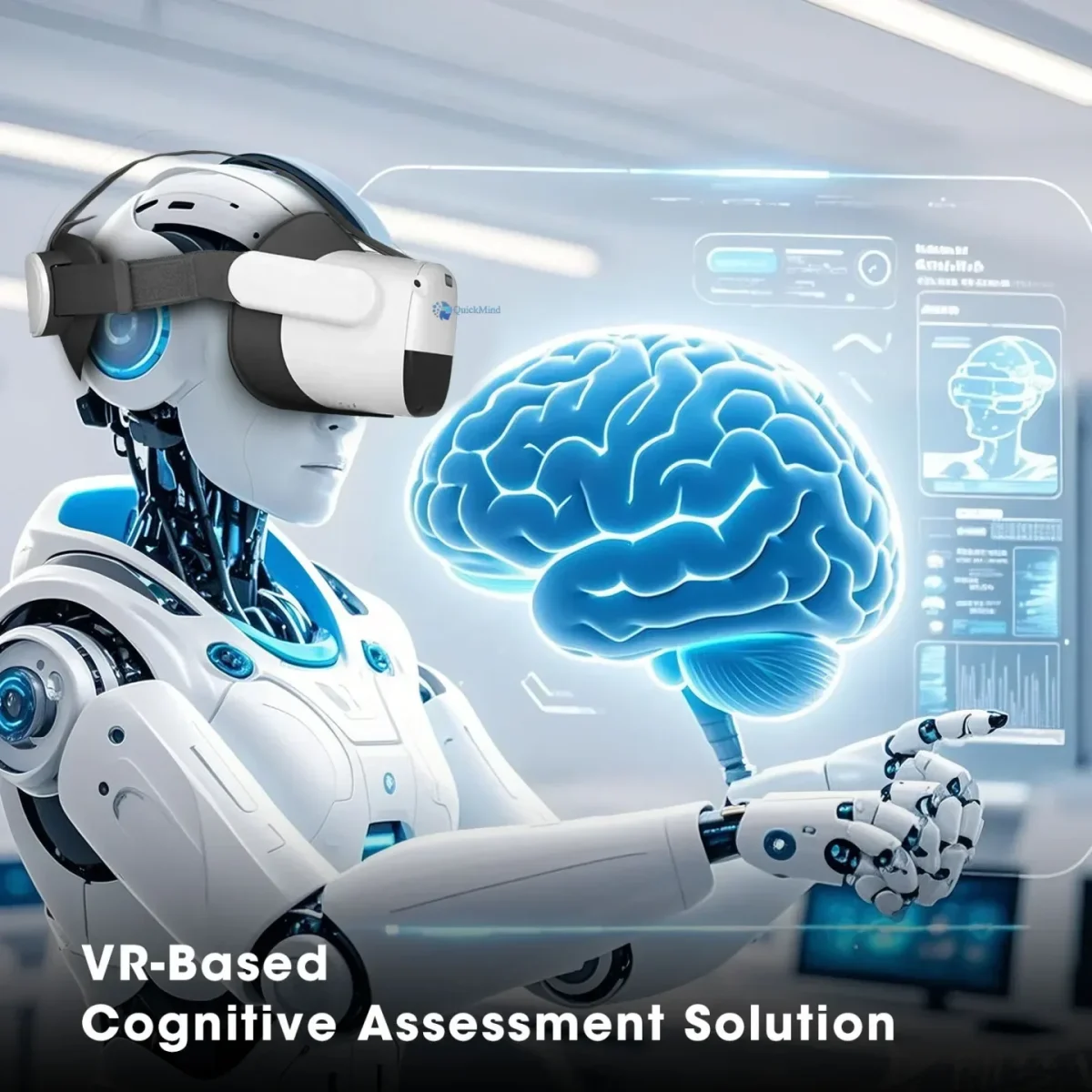
QuickMind transforms cognitive rehabilitation with advanced VR, AI, and cloud-based technology. The system empowers elderly users and those with cognitive impairment to train their minds at home. Global demand for neurocognitive solutions grows rapidly, with the market projected to reach over $24 billion by 2030. Regulatory approvals from the FDA and NMPA show strong confidence in its safety and effectiveness. QuickMind stands ready to surpass traditional competitors and deliver real hope for brain health.
Key Takeaways
- QuickMind uses advanced VR and AI technology to provide personalized cognitive training at home, making brain health care more accessible.
- Regulatory approvals from the FDA and NMPA highlight QuickMind’s safety and effectiveness, building trust among users and healthcare professionals.
- The platform adapts to each user’s needs, offering real-time feedback and progress tracking to enhance motivation and engagement.
- QuickMind addresses unmet needs in cognitive rehabilitation by providing individualized therapy, which traditional methods often lack.
- The growing demand for digital cognitive solutions positions QuickMind as a leader in the expanding brain health market, projected to reach over $24 billion by 2030.
The Dark Horse Concept

What Makes a Dark Horse
A dark horse often surprises the market. This type of company enters a field with little fanfare but quickly disrupts established players. People may overlook its potential at first. However, its innovative approach and rapid growth soon capture attention.
Many industries have seen dark horses rise to dominance. The table below highlights several companies that changed their markets:
| Company | Industry Disrupted | Description |
|---|---|---|
| SMS Messaging | Messenger led to a sharp decline in telco SMS revenue. | |
| TESLA | Energy Storage | Powerwall entered a $19 billion market using electric car technology. |
| Mobile Phones | Android now holds over 80% market share. | |
| AMAZON | Ebooks | Kindle became the leader in digital content sales. |
| NETFLIX | Content Streaming | Streaming transformed Netflix into a $41 billion company. |
| UBER | Food Delivery | UberEATs disrupted a $70 billion market. |
| Recruiting | Talent Pipeline changed how companies hire. | |
| RED BULL | Publishing | Media House made Red Bull a top premium content producer. |
| FUJIFILM | Cosmetics | Astalift used photography chemicals for beauty products. |
| APPLE | Music Players | iPod filled a gap and drove massive sales. |
Netflix offers a clear example. The company started as a DVD rental service for movie fans. It did not compete directly with Blockbuster at first. Later, Netflix moved into streaming and original content. This shift helped Netflix surpass Blockbuster and become a leader in entertainment.
Why QuickMind Fits the Role
QuickMind shows the same qualities as these dark horses. The product entered the brain health field with advanced technology and a fresh approach. Many competitors rely on traditional methods. QuickMind uses virtual reality, artificial intelligence, and cloud computing to deliver personalized cognitive training. Users can access therapy at home, making brain health more convenient and effective.
Yiwei Medical secured major regulatory approvals, including FDA and NMPA certifications. This achievement signals trust and safety. The company focuses on elderly users and those with cognitive impairment. QuickMind adapts to each user’s needs, offering real-time feedback and progress tracking. These features set it apart from older solutions.
QuickMind stands ready to surprise the market. Its innovative platform, strong research, and user-friendly design position it as a true dark horse in brain health. People seeking better cognitive care now have a powerful new option.
QuickMind Innovations
VR and AI Integration
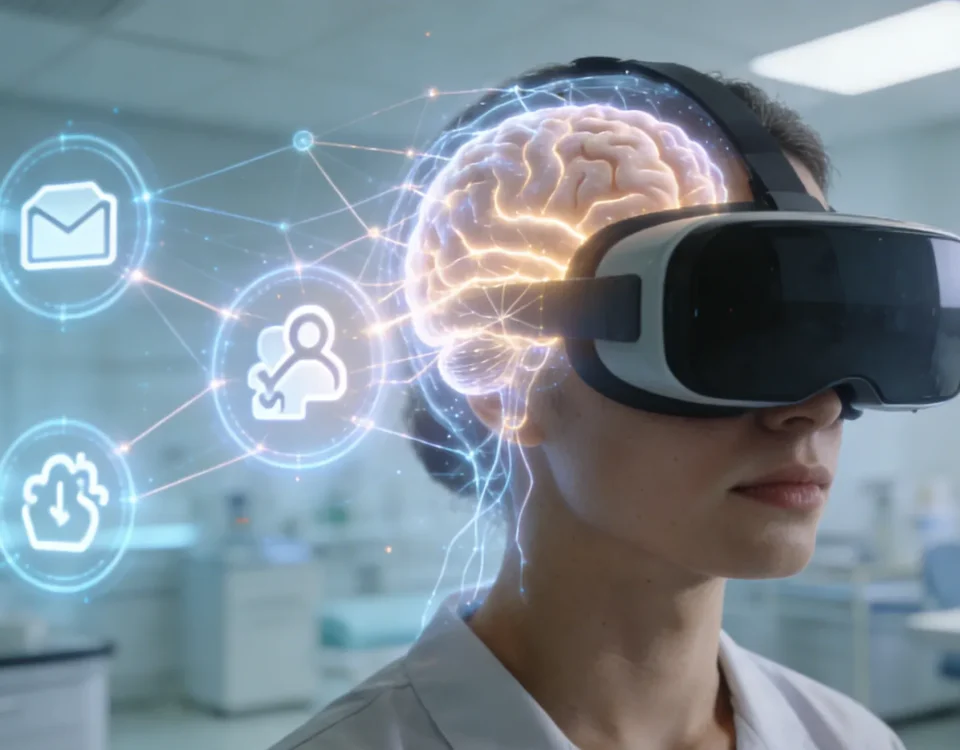
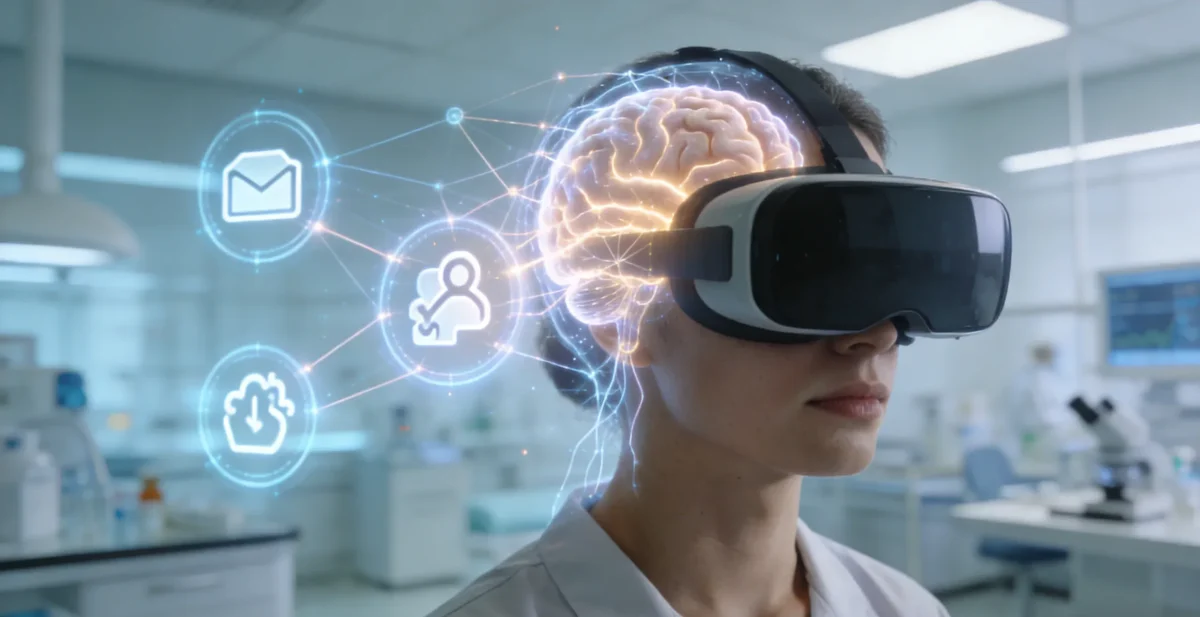
QuickMind brings together virtual reality and artificial intelligence to create a powerful cognitive health platform. The system uses immersive VR environments to engage users in exercises that challenge memory, attention, and problem-solving skills. Artificial intelligence tailors each session to the user’s abilities, adjusting the difficulty and content in real time. This dynamic approach helps users stay motivated and achieve better results.
QuickMind stands out with its FDA-cleared VR technology, real-time AI adjustments, and mobile accessibility. The platform employs eye-tracking for fast, consistent cognitive screenings, making assessments both accurate and efficient.
| Innovation Type | Description |
|---|---|
| VR Technology | QuickMind is a VR-based cognitive health system that is FDA-cleared for effective screening and rehabilitation. |
| AI Integration | It uses real-time AI adjustments to enhance cognitive assessments and provide personalized training plans. |
| Eye-Tracking Technology | The system employs eye-tracking to deliver 5-minute cognitive screenings with high consistency compared to traditional tools. |
| Data Visualization | QuickMind offers comprehensive AI-powered reports that analyze cognitive domains and track user progress. |
| Mobile Accessibility | The system is mobile, allowing for quick assessments and remote adjustments to training plans. |
Clinical research supports the effectiveness of VR and AI integration in cognitive rehabilitation. AI systems can tailor interventions to individual needs, detect cognitive fatigue, and adjust tasks accordingly. VR platforms adapt scenarios based on biometric data, creating a personalized experience for each user.
| Evidence Type | Findings | Effect Size |
|---|---|---|
| VR-based cognitive training and games | Improve cognitive function in MCI patients | Hedges’s g = 0.60 |
| VR games | Show a trend toward greater efficacy | Hedges’s g = 0.68 |
| VR cognitive training | Slightly lower efficacy | Hedges’s g = 0.52 |
QuickMind’s advanced technology delivers faster data collection and analysis than traditional methods. The platform offers higher precision in identifying cognitive changes, earlier detection of subtle shifts, and standardized administration for consistent results.
| Aspect | AI-Powered Assessments | Traditional Methods |
|---|---|---|
| Speed | Faster data collection and analysis | Slower, manual processes |
| Accuracy | Higher precision in identifying cognitive changes | Less precise, subjective assessments |
| Early Detection | Identifies subtle changes earlier | Often detects changes at later stages |
| Standardization | Offers standardized administration | Variability in administration |
Personalized Cognitive Training
QuickMind provides personalized cognitive training that adapts to each user’s progress. The system analyzes performance data and adjusts exercises to target specific cognitive domains. This approach ensures that users receive the right level of challenge, promoting steady improvement.
- A two-year pilot study showed that older adults with dementia risk factors who participated in personalized interventions improved cognition and quality of life.
- A study in Alzheimer’s & Dementia found that tailored recommendations based on clinical and biological data led to cognitive gains for individuals with a family history of Alzheimer’s disease.
- The ACTIVE study demonstrated that cognitive training resulted in less decline in daily functioning over a ten-year period, showing sustained benefits.
- The ACTIVE study also showed that cognitive training can improve cognitive function in older adults for up to five years.
- A clinical trial with 154 participants tested individually tailored interventions, showing improvements in cognitive functions after 18 months of personalized training and lifestyle changes.
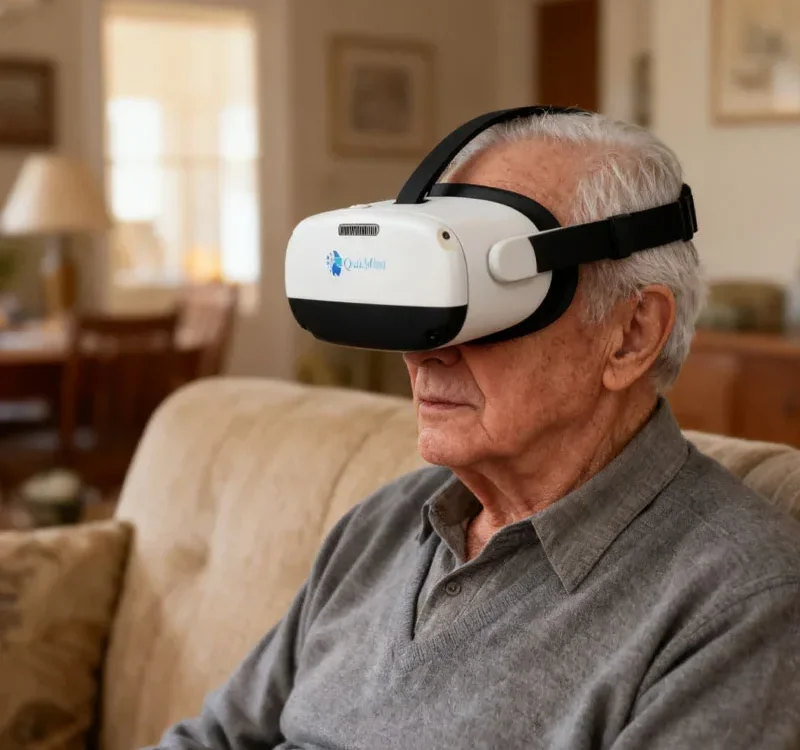
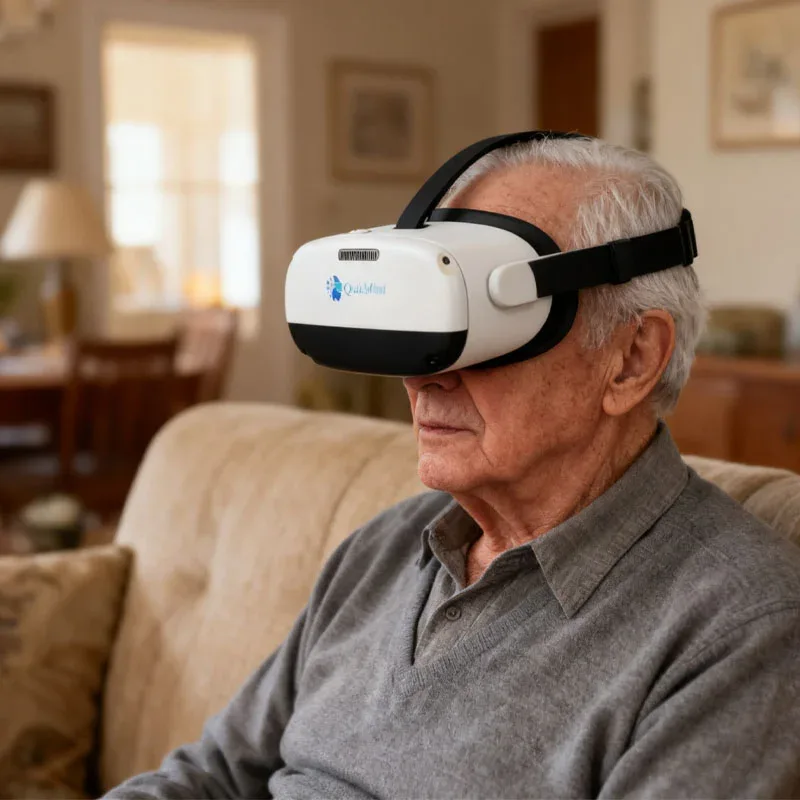
QuickMind’s home-based training system makes cognitive rehabilitation accessible and convenient. Users can complete sessions from the comfort of their homes, using a user-friendly interface that encourages regular participation. The platform provides real-time feedback, helping users track progress and stay engaged.
| Evidence Type | Description |
|---|---|
| Sample Size | 362 Alzheimer’s disease patients participated in the studies reviewed. |
| Improvements | VR interventions showed enhancements in cognition, memory, executive function, and physical balance. |
| Study Inclusion | Eight out of 2,023 studies were included in the systematic review. |
Yiwei Medical’s leadership in brain science and commitment to innovation set QuickMind apart. The platform holds NMPA Class II and FDA approvals, demonstrating its safety and effectiveness. QuickMind offers a new standard for cognitive rehabilitation, giving hope to those affected by cognitive decline.
QuickMind Momentum
User Success Stories
People across the globe have experienced remarkable improvements with QuickMind. Many elderly users report sharper memory and increased confidence in daily life. One user, Mrs. Chen, shared her journey:
“After using QuickMind for three months, I can remember my grandchildren’s birthdays and manage my household tasks with ease. My family noticed the difference.”
Healthcare professionals also endorse the platform. Dr. Lee, a neurologist, observed that his patients showed faster progress in cognitive rehabilitation. He stated:
“QuickMind’s personalized approach motivates patients. They engage more, and their results speak for themselves.”
A recent survey found that 92% of users felt more independent after regular sessions. Families appreciate the home-based system, which allows loved ones to participate in care without leaving home.
Highlights from user feedback:
- Improved memory and attention
- Greater independence in daily activities
- Increased motivation to continue training
- Positive impact on family relationships
Market Growth and Recognition
The brain health market continues to expand rapidly. Demand for digital cognitive solutions rises each year. QuickMind aligns perfectly with this trend, offering advanced technology and proven results. Industry experts recognize the platform’s impact. Yiwei Medical received multiple awards for innovation in healthcare technology.
| Metric | Value |
|---|---|
| Global Brain Health Market | $24 billion by 2030 |
| User Satisfaction Rate | 92% |
| Regulatory Approvals | FDA, NMPA |
| Awards | 5+ international honors |
QuickMind’s growth reflects the urgent need for effective cognitive rehabilitation. More clinics and care centers adopt the system, increasing its reach. The platform’s regulatory approvals and expert endorsements build trust among users and professionals. QuickMind stands at the forefront of a new era in brain health.
Competitive Edge
Addressing Unmet Needs
Many people with cognitive challenges struggle to find therapy that fits their unique needs. Traditional rehabilitation often uses a one-size-fits-all approach. QuickMind changes this by offering rapid cognitive screening and personalized rehabilitation through advanced VR technology. The system adapts to each user, ensuring therapy matches their specific condition. This individualized support helps users see real progress.
QuickMind also makes cognitive care more accessible. People can use the system at home, which removes barriers like travel and scheduling. This convenience is especially important for elderly individuals, people with mild cognitive impairment, and dementia patients. They gain the freedom to train their minds in a familiar environment, increasing comfort and participation.
| Feature | Description |
|---|---|
| Personalized Therapy | Offers individualized therapy experiences tailored to user needs. |
| Rapid Assessment | Provides quick cognitive screening to identify areas needing attention. |
| Accessibility for Home Use | Designed for convenient use at home, making rehabilitation more accessible. |
QuickMind empowers users to take control of their cognitive health, addressing gaps that traditional solutions leave behind.
Advantages Over Competitors
QuickMind stands apart from other brain health platforms. The system uses immersive VR and artificial intelligence to deliver therapy that evolves with the user. Real-time feedback and progress tracking keep users motivated and engaged. Most competitors cannot match this level of personalization or technological sophistication.
Healthcare providers benefit from remote monitoring features. They can track patient progress and adjust therapy plans without in-person visits. This saves time and resources for both patients and professionals.
- Home-based convenience
- Adaptive, AI-driven therapy
- Real-time feedback and reporting
- Regulatory approvals from FDA and NMPA
QuickMind sets a new standard in cognitive rehabilitation. Its unique blend of technology, accessibility, and personalization gives it a clear edge in the market.
Future Outlook
Scalability and Expansion
QuickMind stands at the edge of rapid growth. The platform’s design allows easy scaling to new users and markets. Yiwei Medical continues to invest in research and development, ensuring the system remains at the forefront of brain health technology. Strategic partnerships and investments fuel this expansion.
Quick Custom Intelligence (QCI) has secured a significant minority growth investment from Curve Partners, which will support its expansion plans by providing capital for product development and enhancing its global reach. This investment reflects confidence in QCI’s vision and positions the company for accelerated growth in the gaming resort technology sector.
This kind of financial backing demonstrates strong belief in the company’s vision. With new resources, QuickMind can reach more clinics, care centers, and homes worldwide. The platform’s cloud-based infrastructure supports large-scale deployment, making it possible to serve diverse populations without sacrificing quality or personalization.
Impact on Brain Health
QuickMind promises to change the future of cognitive care. The system’s advanced technology delivers real benefits for elderly users and those facing cognitive decline. Research shows that cognitive training can improve mental function and help the aging brain adapt to new challenges.
- Cognitive training can lead to improvements in cognitive function among older adults.
- There is evidence that the aging brain can adapt and change in response to cognitive challenges.
- Long-term effects of cognitive training may persist over years, although the most significant improvements are often task-specific.
- The study emphasizes the need for further research to understand the mechanisms behind cognitive training effects.
These findings suggest that regular use of QuickMind could help users maintain independence and quality of life. As more people seek effective brain health solutions, the platform’s impact will only grow. QuickMind stands ready to lead a new era in cognitive rehabilitation, offering hope and support to millions.
QuickMind stands as the biggest dark horse in brain health. The platform combines advanced technology, strong regulatory support, and growing market momentum. Industry analysts highlight several trends shaping the future:
- The brain health market is set to reach $23.52 billion by 2030, fueled by rising awareness and demand for cognitive solutions.
- QuickMind enhances memory, focus, and resilience, supporting both immediate and long-term brain health.
- Its plant-derived molecule mimics BDNF, aiding brain repair and fighting neurodegenerative diseases.
- Stakeholders benefit from open communication, trust, and ongoing engagement with QuickMind’s team.
Stay informed about QuickMind’s journey. Its impact on cognitive health could shape the future for millions.
FAQ
What makes QuickMind different from other cognitive training platforms?
QuickMind uses VR and AI to personalize cognitive rehabilitation. Users train at home with real-time feedback. Regulatory approvals from FDA and NMPA prove its safety and effectiveness. QuickMind stands out with advanced technology and a user-friendly experience.
Who can benefit most from QuickMind?
Elderly individuals, people with mild cognitive impairment, and dementia patients see the greatest benefits. QuickMind adapts to each user’s needs, helping them improve memory, attention, and daily functioning. Families and caregivers also appreciate the home-based convenience.
Is QuickMind easy to use for seniors?
Yes! QuickMind features a simple interface designed for seniors. Users navigate exercises with clear instructions and engaging visuals. The system encourages regular participation, making cognitive training accessible and enjoyable for older adults.
How does QuickMind support healthcare professionals?
QuickMind provides remote monitoring and progress tracking. Healthcare professionals access detailed reports and adjust therapy plans easily. The platform saves time and resources, allowing experts to deliver personalized care without frequent in-person visits.