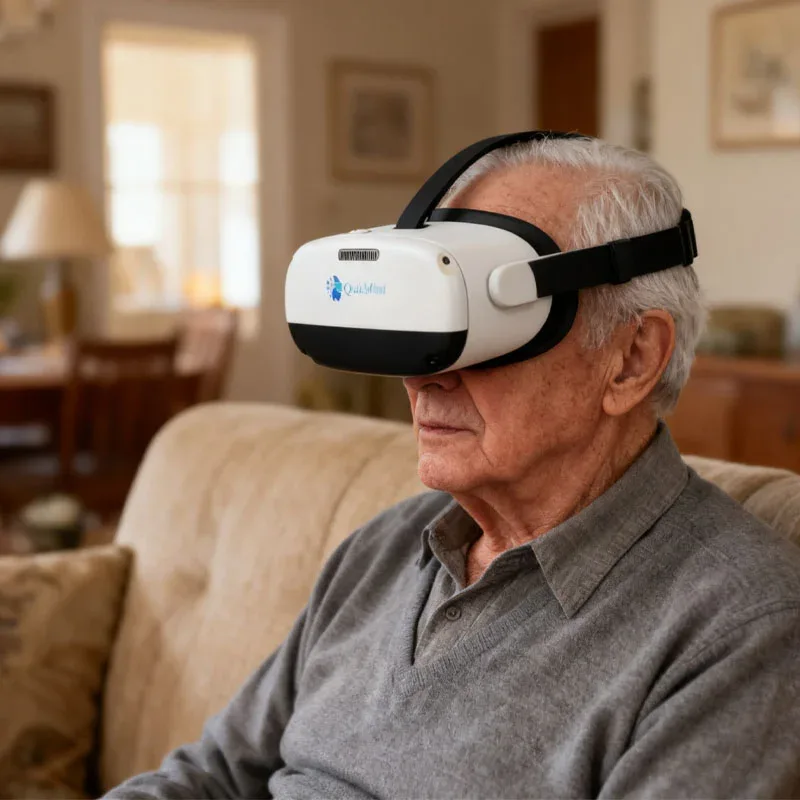






How VR Brings Hope to Dementia
2025-11-25
Why QuickMind is likely to become the biggest dark horse in the brain health field
2025-12-09
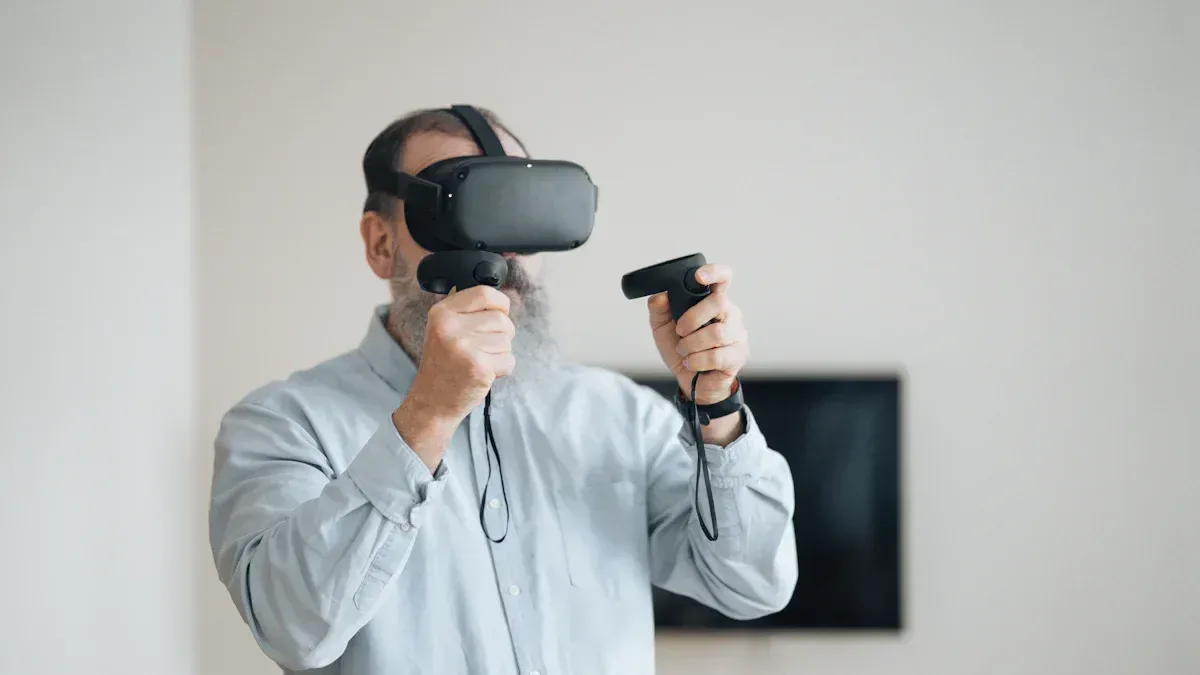
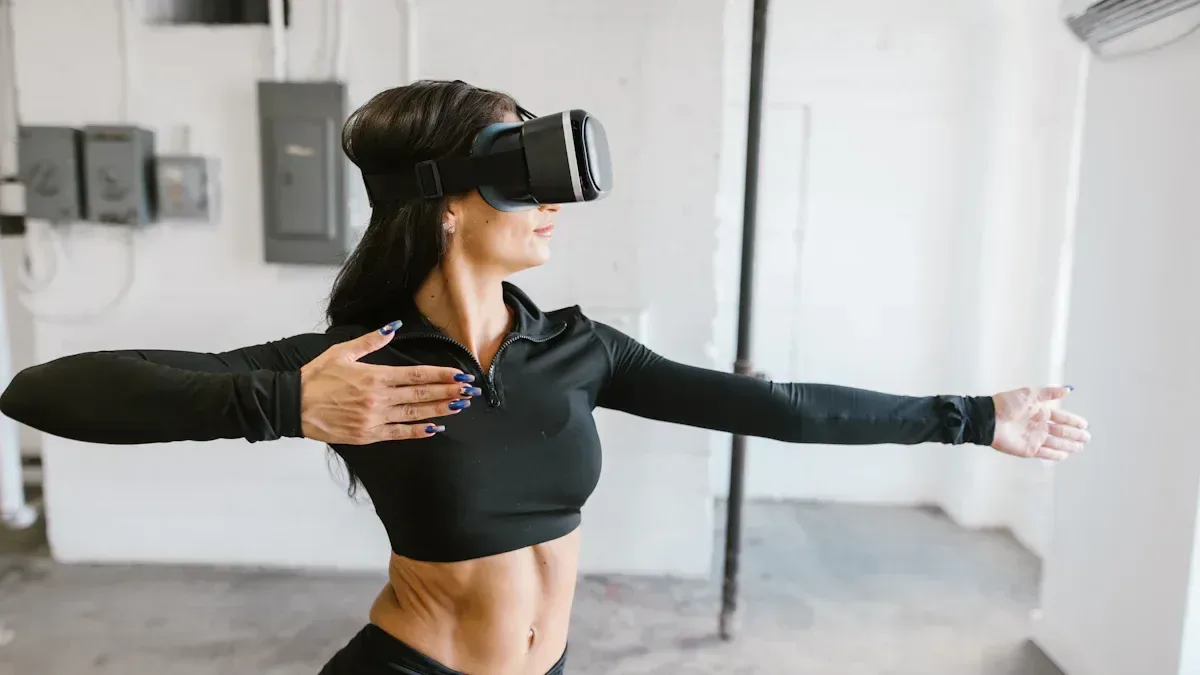
QuickMind delivers a new standard in cognitive rehabilitation. The system uses advanced eye-tracking, AI-driven personalization, and a focus on enterprise needs to achieve precise results. In clinical practice, 84.2% of patients using VR-based rehab platforms report similar or better outcomes compared to traditional methods.
| Outcome Type | Percentage (%) |
|---|---|
| Better outcomes than expected | 31.6 |
| Similar outcomes | 52.6 |
| Total achieving similar or better | 84.2 |
| Worse outcomes | 15.8 |
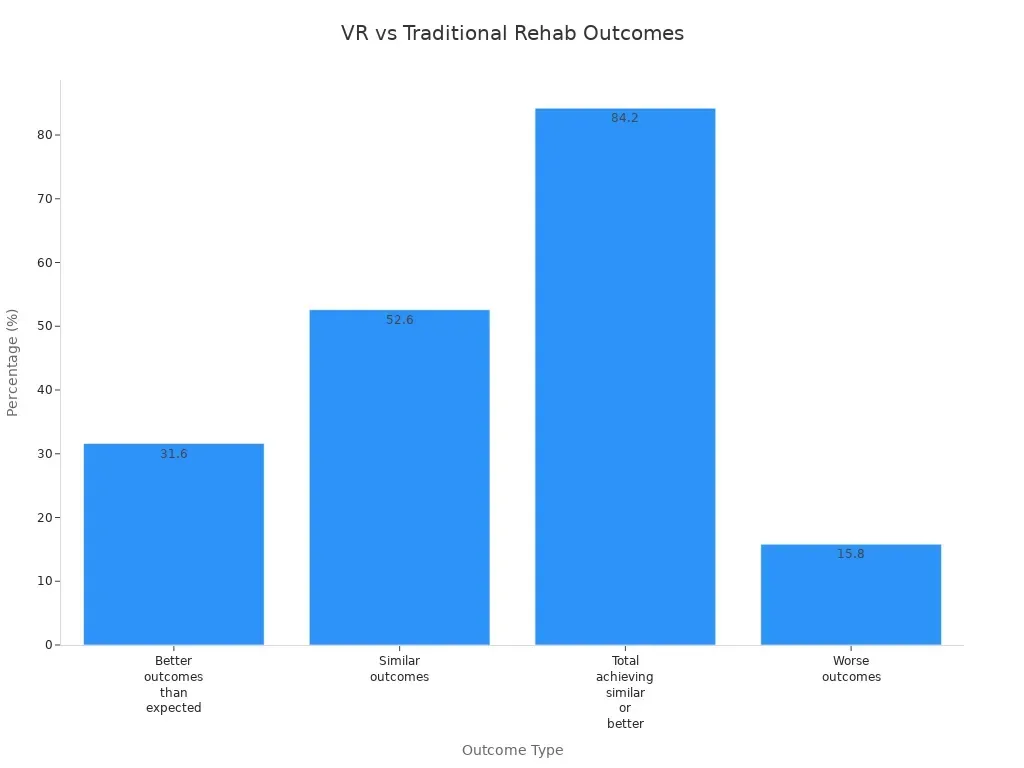
The AI-driven approach tailors each program to individual needs, supporting faster recovery and improved engagement. QuickMind stands out for users who value measurable progress, advanced assessment, and a streamlined investment in cognitive health.
Key Takeaways
- QuickMind VR offers a modern approach to cognitive rehabilitation, combining virtual reality and AI for personalized care.
- Patients using QuickMind report 84.2% achieving similar or better outcomes compared to traditional rehab methods.
- The platform features five-minute cognitive tests that provide quick and actionable insights into users’ cognitive health.
- AI-driven adjustments create individualized rehabilitation plans, ensuring targeted support for each user’s unique needs.
- Real-time progress tracking allows clinicians to monitor patient performance and make timely adjustments to therapy.
- QuickMind’s home-based accessibility reduces the need for travel, making therapy more convenient for users.
- The subscription model simplifies budgeting, offering a cost-effective alternative to traditional in-person therapy sessions.
- Users experience increased engagement and motivation through immersive VR environments, leading to better recovery outcomes.
How QuickMind Works
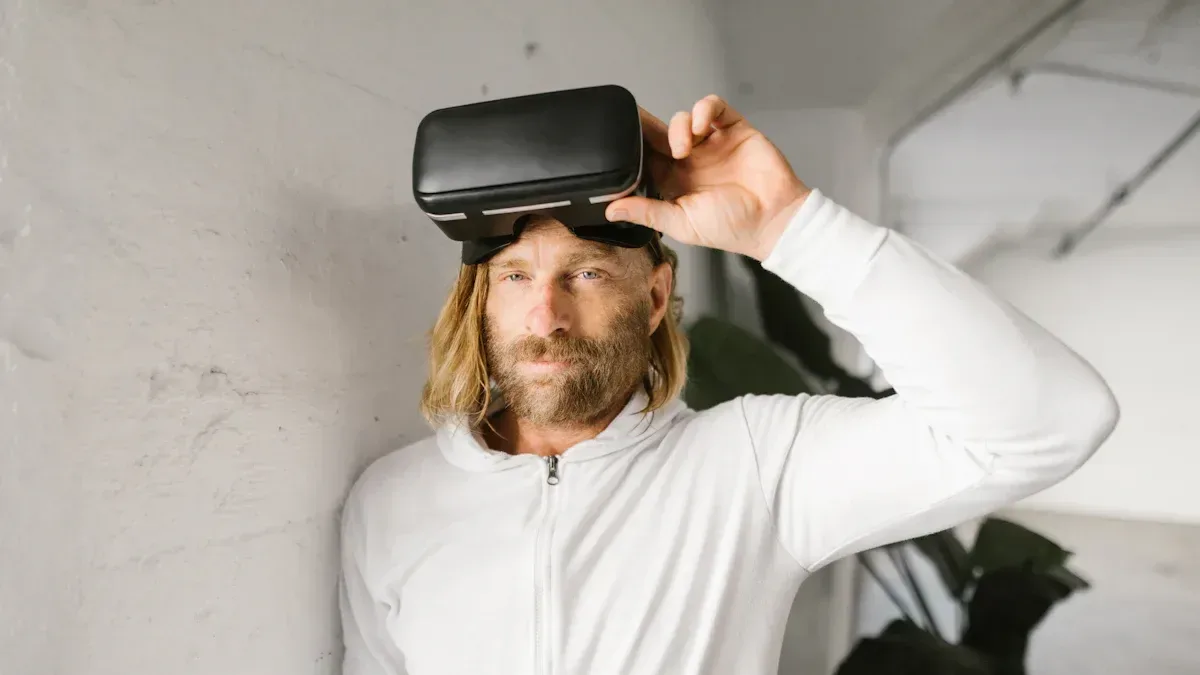
QuickMind introduces a new era in cognitive rehabilitation by combining immersive technology with advanced data analytics. The system stands apart from traditional rehab through its integration of virtual reality, eye-tracking, and artificial intelligence. This approach delivers a comprehensive solution for assessment, personalized training, and ongoing brain health management.
Discover how QuickMind® can transform cognitive rehabilitation by visiting {this link}.
VR Assessment Features
Eye-Tracking Technology
QuickMind uses state-of-the-art eye-tracking technology to monitor users’ gaze and attention in real time. When a user wears the VR headset, the system captures eye movement trajectories as they interact with various cognitive tasks. This precise tracking allows clinicians to identify subtle changes in attention, memory, and executive function. The immersive environment, enhanced by devices such as 3D head-mounted displays, joysticks, and audio headsets, creates a multisensory experience that increases engagement and accuracy.
Five-Minute Cognitive Tests
The platform streamlines the assessment process with five-minute cognitive tests. These short, targeted evaluations measure key cognitive domains, including memory, calculation, abstract reasoning, and reaction time. The tests use both egocentric and allocentric perspectives, which means users experience tasks from different viewpoints, further enhancing the assessment’s depth. QuickMind’s rapid testing protocol ensures that users receive timely and actionable insights into their cognitive health.
Personalized Rehab Plans
AI-Driven Adjustments
QuickMind leverages artificial intelligence to analyze assessment results and automatically generate individualized rehabilitation plans. The AI reviews performance data and tailors exercises to address each user’s unique strengths and weaknesses. This eliminates the limitations of generic, one-size-fits-all programs and ensures that every user receives targeted support.
Dynamic Difficulty Levels
The system continuously monitors user progress and dynamically adjusts the difficulty of training exercises. If a user demonstrates improvement, the platform increases the challenge to promote further growth. If a user struggles, the system adapts to provide additional support. This responsive approach keeps users motivated and maximizes the effectiveness of each session.
Brain Health Management
Online Progress Tracking
QuickMind features an integrated online platform for tracking progress in real time. Clinicians and users can review performance metrics, monitor trends, and adjust rehabilitation plans as needed. This transparency supports better decision-making and fosters a sense of ownership over the rehabilitation journey.
Health Record Integration
The health management system connects assessment and training data with patient health records. This integration allows for seamless coordination between online and offline care, ensuring that all stakeholders have access to up-to-date information. The platform’s comprehensive management tools help organizations and individuals maintain a clear overview of cognitive health and rehabilitation outcomes.
Tip: Consistent progress tracking and personalized adjustments set QuickMind apart from traditional rehab, making it a powerful tool for both individuals and organizations.
QuickMind vs. Traditional Rehab
Accessibility and Convenience
Home and Enterprise Use
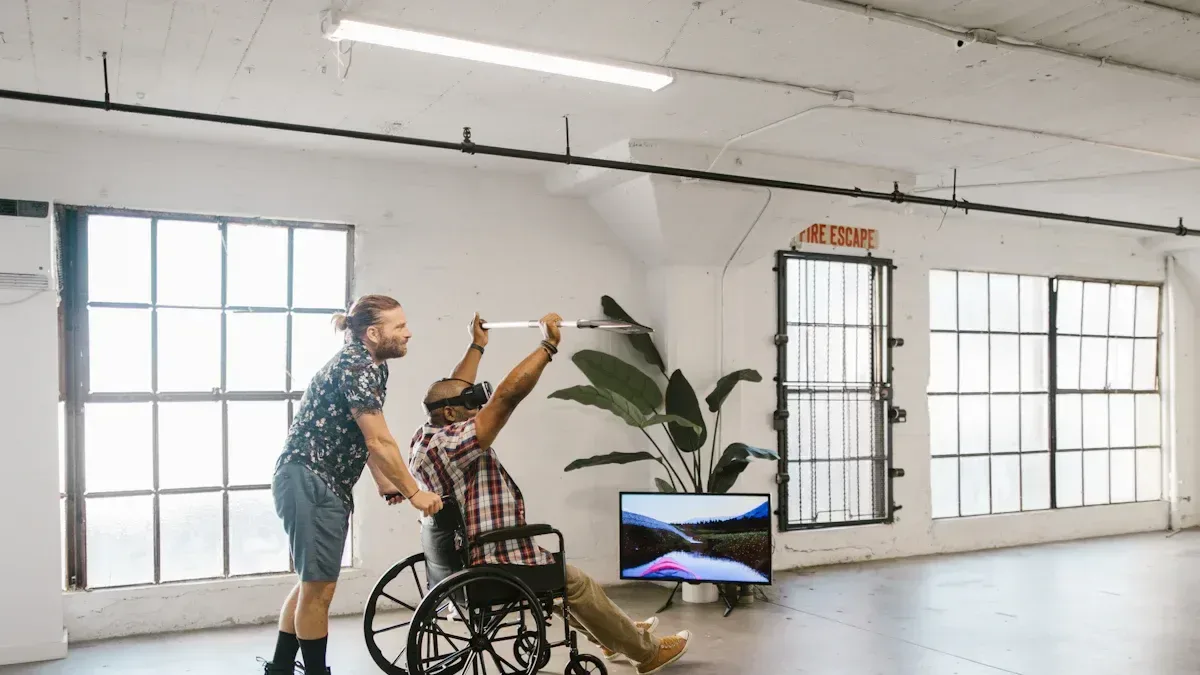
QuickMind brings cognitive rehabilitation directly to users, whether at home or within an enterprise setting. Users can access immersive therapy sessions without traveling to a clinic. This flexibility supports patients who face mobility challenges or live in remote areas. Organizations can deploy the system across multiple locations, ensuring consistent care for employees or residents. Traditional rehab often requires in-person visits, which can limit access for those with transportation or scheduling barriers.
Session Flexibility
The platform allows users to schedule sessions at their convenience. They can complete assessments and training at any time, fitting therapy into their daily routines. This approach reduces missed appointments and supports consistent progress. In contrast, traditional rehab typically follows fixed schedules, which may not align with every patient’s needs. The ability to adjust session timing empowers users to take control of their rehabilitation journey.
Professional Oversight
Remote Monitoring
Clinicians can monitor patient progress remotely through QuickMind’s integrated online platform. They receive real-time data on performance, enabling timely adjustments to rehabilitation plans. This remote oversight ensures that patients receive expert guidance without frequent in-person visits. Traditional rehab relies heavily on face-to-face supervision, which can delay feedback and limit the frequency of professional input.
Customization vs. One-Size-Fits-All
QuickMind stands out for its high level of customization. The system adapts therapy environments, sensory input, and task difficulty to match each user’s unique needs. Clinicians can set specific functional objectives and control the pace of progression. The following table highlights key differences between QuickMind’s personalized approach and the standard model used in traditional rehab:
| Feature | QuickMind VR Customization | Traditional Rehab Model |
|---|---|---|
| Environment Type | Tailored to patient needs (indoor/outdoor) | Static environments |
| Sensory Input | Adjustable (noise, lighting, visuals) | Fixed sensory input |
| Task Difficulty | Customizable from easy to complex | One-size-fits-all difficulty levels |
| Functional Objectives | Specific to patient goals (reach, balance) | Generalized objectives |
| Time & Progression | Clinician-controlled pacing and progression | Fixed pace and progression |
This level of personalization helps users stay engaged and achieve better outcomes. Traditional rehab often uses a one-size-fits-all approach, with limited ability to adjust therapy based on individual progress.
Note: QuickMind’s flexible delivery, remote oversight, and tailored therapy design create a more responsive and user-centered rehabilitation experience than traditional methods.
Cost Analysis
QuickMind Pricing
Subscription Model
QuickMind operates on a subscription-based model that provides flexibility for both individuals and organizations. Users can select a plan that fits their needs, whether for personal use or enterprise deployment. The subscription covers access to the full suite of cognitive assessment and rehabilitation features, with no hidden fees or long-term contracts required.
What’s Included
The subscription includes advanced VR hardware, eye-tracking cognitive assessments, AI-driven personalized training, and a comprehensive brain health management platform. Users benefit from real-time progress tracking and seamless integration with health records. The following table outlines the monthly rental costs for different user types:
| User Type | Monthly Rental Cost |
|---|---|
| Enterprise | $2,999.00 |
| Individual | $899.00 |
In addition to cost transparency, subscribers receive continuous updates to rehabilitation programs and access to technical support. The package ensures that users and organizations can maintain high standards of cognitive care without unexpected expenses.
Traditional Rehab Costs
Session Fees
Traditional cognitive rehabilitation often involves multiple in-person sessions each week. Fees for cognitive behavioral therapy (CBT) typically range from $100 to $250 per session. Initial intake evaluations can cost around $400, while subsequent therapy sessions may range from $200 to $225, depending on the clinician. Some clinics offer reduced rates for sessions with trainees, starting at $50.
Extra Expenses
Patients frequently encounter additional costs beyond session fees. These may include:
- Materials required for therapy exercises.
- Fees for missed or rescheduled appointments.
- Transportation expenses to and from the clinic.
- For residential treatment, daily rates can range from $500 to $2,000, with a standard 30-day program costing between $15,000 and $60,000.
Insurance may cover some of these costs, but coverage limitations and out-of-pocket expenses remain common.
Long-Term Value
Savings Over Time
When comparing long-term costs, QuickMind offers significant savings. In-clinic rehabilitation can total approximately $1,490.23, with transportation accounting for nearly 88% of that amount. Home-based VR rehabilitation programs require an estimated $800 for hardware, resulting in a cost difference of $654.72 in favor of VR telerehabilitation. Over time, users avoid recurring transportation and session fees, making the VR approach more economical.
Insurance and Reimbursement
Many insurance plans provide partial coverage for traditional rehabilitation, but restrictions often apply. QuickMind’s subscription model simplifies budgeting by consolidating all services into a single monthly payment. Organizations and individuals can better predict expenses and reduce administrative burdens. As digital health solutions gain wider acceptance, insurance reimbursement for VR-based cognitive rehab continues to expand, further enhancing the value proposition for users.
Note: The cost advantages of VR-based rehabilitation extend beyond direct expenses. Users also benefit from increased accessibility, reduced travel time, and more consistent engagement, which can accelerate recovery and improve outcomes.
Feature Comparison Table
| Feature | QuickMind VR | Traditional Rehab |
|---|---|---|
| Cognitive Assessments | 5-minute screenings with 95% consistency | Longer assessments with variable accuracy |
| Personalized Training Plans | AI-generated, tailored to individual needs | Generic plans, less personalized |
| Engagement | Gamified, immersive experiences | Standard exercises, less engaging |
| Progress Tracking | Real-time data visualization and adjustments | Periodic assessments, less immediate |
| Accessibility | Mobile and remote access for home use | Limited to clinic visits |
- QuickMind VR offers rapid, efficient cognitive assessments.
- AI-driven personalization enhances individual care.
- Immersive VR increases patient engagement.
- Real-time progress tracking allows immediate therapy adjustments.
- Digital access enables home-based rehabilitation, reducing the need for clinic visits.
Effectiveness and Results
Clinical Outcomes
Recovery Rates
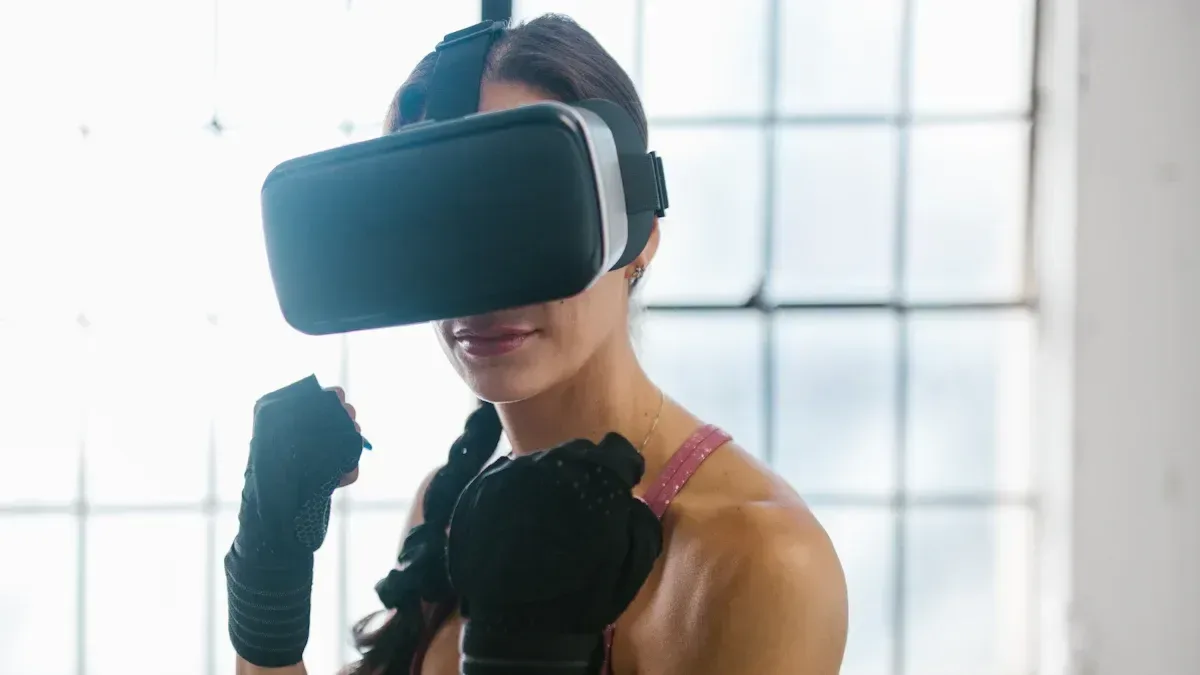
Recent studies have compared virtual reality-based cognitive rehabilitation to traditional methods. The results consistently show that VR interventions deliver equal or superior outcomes. The following table summarizes findings from several clinical trials:
| Study | Intervention | Outcome | Findings |
|---|---|---|---|
| Shin et al. | VR + Occupational Therapy | Quality of Life, Depression | Improved quality of life in VR group |
| Faria et al. | VR vs. Cognitive Training | General Cognitive Function | VR group outperformed control in cognitive measures |
| De Luca et al. | VR vs. Cognitive Tasks | General Cognitive Function | Significant improvement in VR group only |
| Maier et al. | Adaptive VR Training | Attention, Spatial Awareness | Improved performance in VR group |
| Large Trial | VR + Robotic Rehab vs. Conventional | Cognitive Rehabilitation | VR group showed better outcomes than conventional |
These studies highlight that VR-based rehab, including platforms like QuickMind, can accelerate recovery and improve cognitive function more effectively than conventional approaches.
Cognitive Improvement
Users of VR cognitive rehab platforms report measurable gains in several cognitive domains. The table below outlines the types of improvements and their statistical significance:
| Improvement Type | Measurable Outcome | Statistical Significance |
|---|---|---|
| Memory Retention | Enhanced | p < .05 |
| Mental Clarity | Increased | p < .05 |
| Stress Resilience | Reduced Stress | p = .03 |
| Depression Scores | Reduced by -0.51 | p = .04 |
These results indicate that VR-based programs can deliver real, quantifiable benefits in memory, clarity, and emotional well-being.
User Experiences
Success Stories
Many users have shared positive experiences with VR cognitive rehabilitation. For example:
- An 80-year-old man with dementia found joy and nostalgia by using VR to revisit his childhood home.
- Advanced systems that use AI and eye-tracking, such as QuickMind, have proven especially helpful for individuals with Alzheimer’s disease.
- Users often describe VR training as engaging and easy to fit into daily routines, which increases motivation for cognitive exercises.
Common Feedback
Participants frequently mention several advantages and challenges:
| User Experience | Description |
|---|---|
| Advantages | Flexible self-guided training, promising results in early studies |
| Challenges | Sustaining motivation, ensuring quality without instructor feedback |
| VR Benefits | Minimizes distractions, fosters a strong sense of presence |
Some users note minor discomforts, such as nausea or vision fatigue, but most report that the immersive environment helps them stay focused and motivated.
Measurable Benefits
Speed of Progress
VR-based cognitive rehab platforms often accelerate the pace of improvement. Adaptive difficulty and real-time feedback allow users to progress at their own speed. Many report noticeable gains within weeks, rather than months.
Quality of Life
Improvements in cognitive function translate to better daily living. Users experience enhanced memory, greater independence, and reduced stress. Families and caregivers also observe positive changes, such as increased engagement and emotional well-being.
Note: The combination of clinical results, user stories, and measurable benefits demonstrates that VR-based cognitive rehabilitation offers a powerful alternative to traditional therapy.
Who Should Invest in QuickMind
Ideal Users
Cognitive Conditions
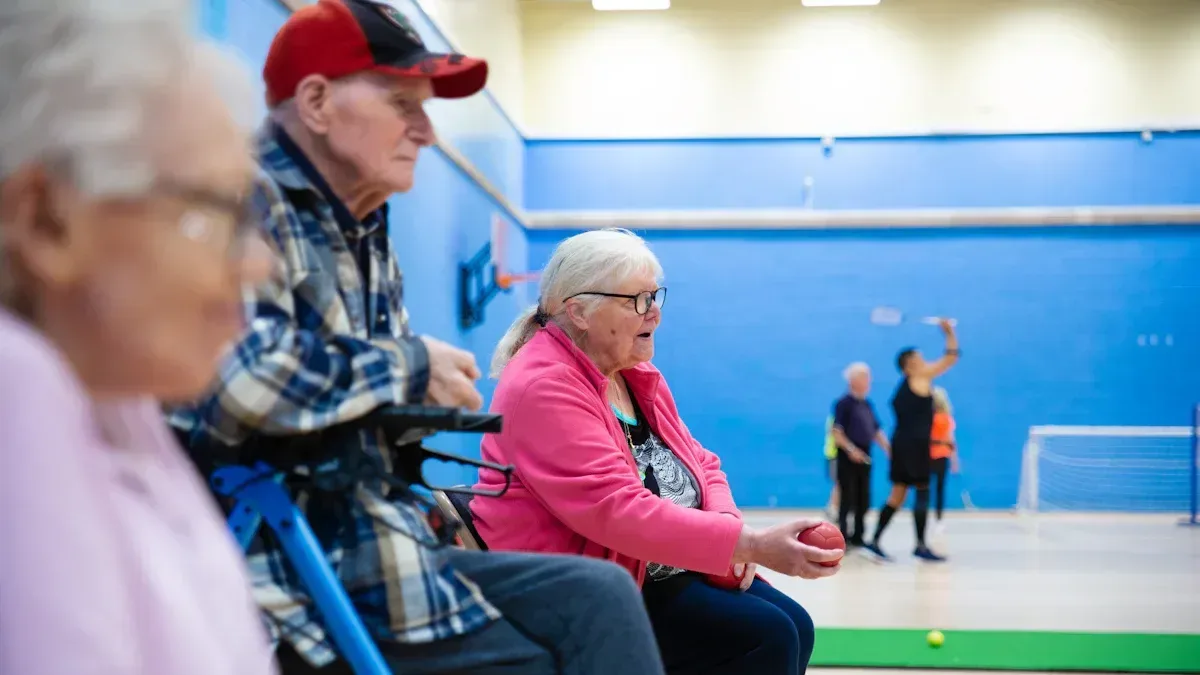
QuickMind addresses a broad spectrum of cognitive challenges. Clinical research highlights its effectiveness for older adults, especially those with neurocognitive disorders. The immersive VR environment supports measurable improvements in cognitive functioning. The following table summarizes findings from recent studies:
| Study Title | Findings |
|---|---|
| The cognitive and motor effects of immersive virtual reality in individuals with neurocognitive disorder | VR applications improve cognitive functioning in older adults, particularly in neurocognitive disorders. |
| Efficacy of virtual reality-based training programs and games on the improvement of cognitive disorders in patients | VR games significantly enhance cognitive impairments compared to traditional cognitive training programs. |
Individuals with mild cognitive impairment, dementia, or brain injuries often benefit most from this technology. The system’s rapid assessment and adaptive training make it suitable for those seeking targeted cognitive support.
Organizations and Enterprises
Healthcare providers, senior living communities, and rehabilitation centers can leverage QuickMind to streamline cognitive care. Enterprises benefit from scalable deployment, allowing multiple users to access consistent, high-quality rehabilitation. The platform’s data integration and remote monitoring features support clinicians in managing large patient populations efficiently.
Best Use Cases
Home-Based Rehab
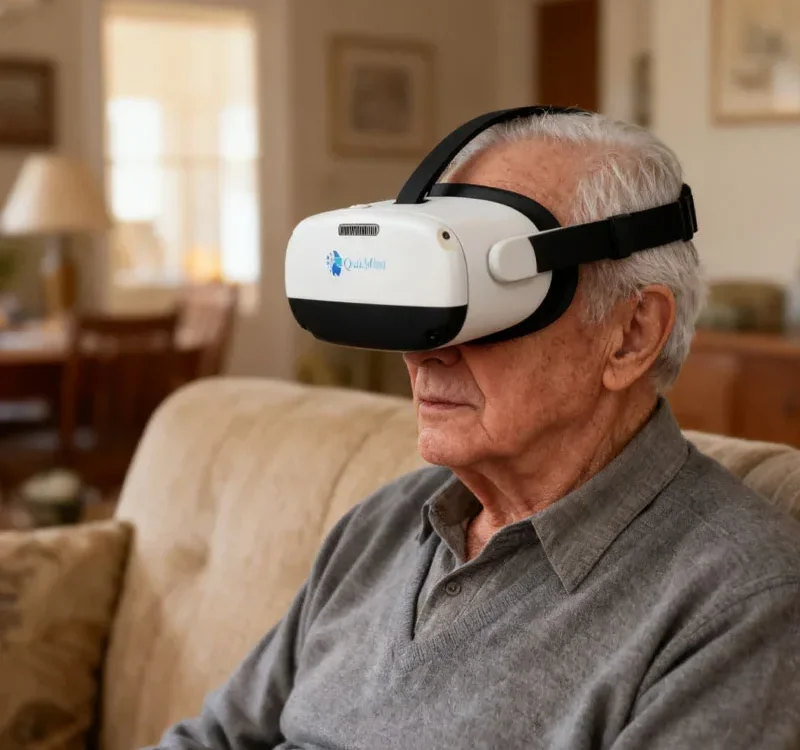
Home-based rehabilitation stands out as a primary use case. VR enables objective assessment of attention and memory, offering cost-effective training in a familiar environment. Elderly individuals and those with mild cognitive impairment or dementia find the system convenient and effective. The immersive experience allows users to practice cognitive tasks safely, enhancing skills such as attention, memory, and problem-solving.
- VR provides reproducible assessments of cognitive processes.
- Users receive training without the need for frequent clinic visits.
- The system supports significant improvements in cognitive flexibility and selective attention.
Supplementing In-Person Care
QuickMind also serves as an excellent supplement to traditional in-person therapy. Clinicians can assign VR-based exercises between sessions, reinforcing skills learned during face-to-face interactions. The controlled environment allows patients to make mistakes without real-world consequences, which is crucial for rehabilitation. This approach increases therapy intensity and supports continuous progress.
Limitations
Severe Cases
While VR-based cognitive rehab offers many advantages, individuals with severe cognitive impairment or advanced neurological conditions may require more intensive, hands-on care. These cases often demand direct supervision and specialized interventions that extend beyond the scope of digital platforms.
Tech Comfort Level
User comfort with technology plays a critical role in the effectiveness of VR rehabilitation. Some individuals may experience discomfort, such as motion sickness or eye strain, which can impact engagement. Designers must consider physiological and psychological limits to ensure sustainable interactions. Training and support help users adapt, but those unfamiliar with digital devices may need additional guidance.
Tip: Assessing user readiness and providing orientation sessions can maximize the benefits of VR-based cognitive rehabilitation.
Drawbacks and Considerations

Potential Downsides
High Cost
QuickMind VR offers advanced technology, but the investment can be significant. The price of VR equipment and software may present a barrier, especially for smaller organizations or educational settings. Users must consider the ongoing subscription fees and the initial setup costs when evaluating the platform.
Tech Requirements
The system relies on modern VR hardware and a stable internet connection. Some users may encounter technical difficulties, such as device malfunctions or software glitches. These issues can disrupt the rehabilitation process and require troubleshooting. The complexity of VR technology means that users and administrators need a basic understanding of digital devices.
- High cost of VR equipment and software
- Technical difficulties may disrupt sessions
- Requires familiarity with digital devices
When Traditional Rehab Is Needed
Complex Cases
Certain individuals present with complex cognitive or neurological conditions. These cases often demand specialized interventions and direct supervision from healthcare professionals. QuickMind VR provides robust support for many users, but traditional rehabilitation remains essential for those who need intensive, hands-on care.
Need for Hands-On Care
Some patients benefit most from in-person therapy. Physical guidance, manual exercises, and real-time feedback from therapists play a crucial role in their recovery. QuickMind VR can supplement these efforts, but it does not replace the value of direct human interaction in complex rehabilitation scenarios.
Note: QuickMind VR excels as a primary or supplementary tool for many users, but traditional rehab remains vital for those with advanced needs.
Addressing Concerns
Data Security
QuickMind VR prioritizes the protection of user information. The platform implements multiple layers of security to safeguard sensitive data. The following table outlines the key measures in place:
| Security Measure | Description |
|---|---|
| Encryption | End-to-end encryption for data in transit and at rest using protocols like TLS 1.3 and AES-256. |
| Authentication | Secure authentication mechanisms, including OAuth 2.0 and multi-factor authentication (MFA). |
| Access Control | Role-based access policies and logging of data access attempts. |
| Data Minimization | Collection of only essential information and automatic deletion policies. |
| Regular Security Audits | Routine audits to identify vulnerabilities and test for security threats. |
These safeguards ensure that user data remains confidential and protected at every stage.
Support and Training
QuickMind VR provides comprehensive resources to help users and administrators succeed. The platform offers detailed manuals, setup guides, and training introductions. Users can access a help center and frequently asked questions for additional support. The table below highlights available resources:
| Resource Type | Link |
|---|---|
| QuickMind® Instruction Manual | Instruction Manual |
| Setup Guide | Setup Instructions |
| Training Introduction | Training Introduction |
| Training Results Record | Training Results Record |
| FAQs | FAQs |
| Help Center | Help Center |
These resources ensure that users receive guidance at every step, from initial setup to ongoing training and troubleshooting.
Tip: Accessing support materials and training guides can help users overcome technical challenges and maximize the benefits of QuickMind VR.
QuickMind stands out as a modern solution for cognitive rehabilitation. The platform creates a controlled and customizable environment that simulates real-life scenarios, which helps users transfer skills to daily activities. Users report higher motivation and engagement, supporting long-term progress.
- VR programs offer enjoyable experiences that improve adherence.
- Real-time progress tracking increases efficiency and reduces costs.
- The initial investment often leads to better outcomes and long-term value.
Individuals and organizations should assess their needs and consult professionals before investing.
FAQ
What cognitive conditions does QuickMind VR address?
QuickMind VR supports individuals with mild cognitive impairment, dementia, and brain injuries. The system also benefits older adults seeking to maintain or improve cognitive health.
How long does a QuickMind VR assessment take?
A standard QuickMind VR cognitive assessment takes approximately five minutes. The platform delivers rapid, accurate results using advanced eye-tracking and AI analysis.
Can clinicians monitor patient progress remotely?
Clinicians access real-time data and progress reports through QuickMind’s online platform. Remote monitoring enables timely adjustments to rehabilitation plans and supports ongoing patient care.
What equipment comes with a QuickMind VR subscription?
A QuickMind VR subscription includes a VR headset, eye-tracking technology, and access to the cognitive assessment and rehabilitation software. Users also receive technical support and training resources.
Is QuickMind VR suitable for home use?
QuickMind VR works well for home-based rehabilitation. Users complete assessments and training sessions in a familiar environment, which increases comfort and engagement.
How does QuickMind VR personalize rehabilitation plans?
QuickMind VR uses artificial intelligence to analyze assessment results. The system creates individualized training programs and adjusts difficulty levels based on user performance.
Does QuickMind VR integrate with health records?
QuickMind VR features a brain health management system that connects assessment and training data with patient health records. This integration streamlines care coordination for clinicians and organizations.